


Charles George Eberhart, M.D., Ph.D.
- Director, Neuropathology and Ophthalmic Pathology
- Professor of Pathology
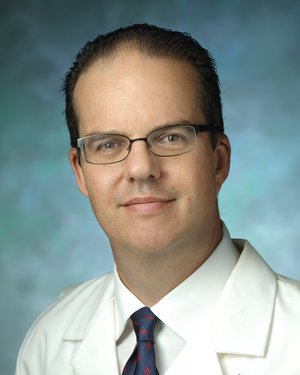
https://www.hopkinsmedicine.org/profiles/results/directory/profile/0009465/charles-eberhart
With increased wealth and daily living standards erectile dysfunction natural treatment order levitra plus 400mg visa, many Asian citizens are seeking improved healthcare erectile dysfunction urologist new york order generic levitra plus line. In response erectile dysfunction drug mechanism buy levitra plus with a visa, a number of Asian governments have been making a conscious effort to improve their healthcare standards and regulations in order to meet the demands of their citizens food erectile dysfunction causes order levitra plus online. In particular erectile dysfunction causes nhs purchase levitra plus 400 mg with mastercard, the Asian pharmaceutical industry has been expanding very quickly due to the aging populations and resulting demand for healthcare erectile dysfunction 60 buy levitra plus 400 mg fast delivery. Currently, the global pharmaceutical industry is worth almost $1 trillion, with the Asian countries contributing nearly one-fourth of the market share. The markets in Japan and China alone were estimated to be around $200 billion (see Table 3). This is faster than the average annual pharmaceutical growth of about 3-4% in more developed Western countries. As mentioned in the introduction of this report, about one in ten people in the world have a rare disease. Therefore, Asia has huge long-term potential for orphan drug medications and treatments. Based on a recent market survey in Asia, the top three highest potential for the orphan drug market are oncology, genetic and autoimmune diseases. Other diseases with potential in the orphan drug market are endocrinology, cardiovascular, blood and lymphatic systems, as well as respiratory disorders. While some Asian countries such as Japan, Taiwan, Korea, Hong Kong, and Singapore have highly advanced healthcare systems and well-trained doctors, other Asian countries, such as China and Thailand, are still striving to improve their system. Each Asian country’s healthcare system differs greatly in structure and quality, so the potential for an orphan drug’s success will also vary. Furthermore, issues such as rare disease awareness, health insurance coverage, and prosperity will also play a strong role in the success or failure of an orphan drug in each Asian country. Impoverished sufferers of rare diseases will generally have little access to the appropriate treatments. The drug registration and approval process can be a lengthy and complicated ordeal in any country. Depending on the amount of clinical data required, the process can take many years to complete. While not all countries offer a registration process specifically for orphan drugs, it is generally best to use this procedure where available. Sometimes, the orphan drug registration process can be expedited and treated as a priority case. Moreover, since the registration of an orphan drug generally requires that additional qualifications are met (limited number of patients in the country, etc. If a pharmaceutical company has developed a drug to treat a disease or condition for which no treatment is currently available, obtaining orphan drug status should be a feasible undertaking. In this particular case, the patient number limitation may even be waived since patients currently have no treatment options available to them. Orphan drug companies should also keep in mind that the absence of a treatment in a country can imply that the awareness of the disease among doctors, hospitals and patients is low. Therefore, it is important to determine the number of currently diagnosed patients and the accuracy of this number. Unless an orphan drug company has doctors, hospitals or medical organizations that will support and increase awareness of the disease, market penetration (and potential sales) could be weak. Especially in relatively small countries like Korea, Taiwan, and Malaysia there may only be a handful of doctors in the country who specialize in the disease. Therefore, their support will be critical both to regulators considering the drug and to the success of the drug’s marketing. This means that satisfied doctors will be particularly persuasive to Asian regulators, especially if they are already known as experts in the field. If a competing product is already available in the country, it is still possible to register a drug as an orphan product and receive approval. However, the new drug will need to be superior to the product currently on the market; data demonstrating this superiority will play a crucial role in the orphan drug designation process. If a competing product is already present in the market, a “product comparison” will be necessary along with the product dossier in order to show superiority over the competitor. The actual registration process for each Asian country is outlined in the following sections of this report. Some Asian countries have an application process specifically for orphan drugs, while other countries do not. Nevertheless, the registration option(s) available in each country will be discussed, as well as application strategies, reimbursement and other important issues. Of orphan drug designations to date, close to half of the drug developers are non-Japanese companies, demonstrating the success of foreign companies in Japan at receiving orphan drug approvals. The majority of the orphan drugs approved in Japan are used for treating infectious diseases, hematological diseases, neuromuscular diseases, and diseases common in children or infants. The drug is used to treat a rare disease or condition affecting less than 50,000 persons in Japan - with a maximum of 4 persons per 10,000 (. It is important to note that if the number of patients affected by the disease is approaching 50,000. If the drug is used to treat a “designated intractable disease” (nanbyou), the number of patients affected by the disease can be as large as 180,000 people. The drug treats a disease or condition for which there are no other drugs/treatments available in Japan or the proposed drug is clinically superior to drugs already available on the Japanese market (in terms of efficacy and safety). The applicant should have a clear product development plan and scientific rationale so that the eventual marketing of the drug in Japan is more likely. The consultation services for “regular” drugs can cost as much as $20,000 for a typical product. In the majority of orphan drug designations, fewer clinical trials in Japan are required for product approval than are required in the West. The applicant may receive financial aid for the collection of supporting data, such as for conducting clinical trials, bridging studies, etc. Specifically, the applicant may receive as much as 50% of the cost of clinical development costs in financial aid, as well as tax exemptions of up to 12% of drug development/research costs Copyright © 2017 Pacific Bridge Medical. The application will be placed on a fast-track approval process, which generally proceeds much more smoothly than that of “regular” drugs. In theory, the fast track approval process takes 10 months while the approval for “regular” drugs takes 12 months. Product renewal for orphan drugs is every 10 years, versus every 4 to 6 years for other drugs. Although the exact fees vary depending on application type, total fees typically go down by about 25%. Shimoaraiso will explain the application process, including what information should be included with the application, which documents need to be translated, and whether any documents need to be revised. Date Attached Data Data on number of Statistical papers, interviews with Japanese doctors, 2 patients medical associations, etc. Explanation of why the drug is clinically superior to drugs already available in Japan (if applicable). Discussion of the scientific rationale supporting the use of 4 Scientific Rationale the drug for the rare disease/condition, including data from non-clinical laboratory studies, clinical investigations, etc. If any doctors in Japan already have experience using the drug, the applicant should ask the doctors to develop a Copyright © 2017 Pacific Bridge Medical. Date Address Name (Seal) To: Minister of Health, Labor and Welfare Source: Drug Approval and Licensing Procedures in Japan 2008 (Jiho, Inc. There is no regulation preventing more than one orphan drug designation and approval for the same indication in Japan. For instance, if a product is already on the market in Japan and designated as an orphan drug for the treatment of Disease A, this does not prevent another drug from receiving orphan drug designation and entering the Japanese Copyright © 2017 Pacific Bridge Medical. Japanese data is considered most supportive in terms of getting the product approved. It is best to target doctors focused on the specific disease/condition your drug treats in order to obtain the strongest support for your product. First, compile a list of potential doctors or Key Opinion Leaders who may be interested in your product. Introduce your orphan drug to these doctors and try to establish good working relationships with them. If a doctor obtains favorable results from your product, they may be willing to write a letter of recommendation to support your orphan drug application. Second, identify any related Japanese medical associations that may be interested in your drug. A representative from the association may also be willing to provide a letter of recommendation for your application if he/she sees the drug as beneficial. Keep in mind that obtaining support from a medical organization may require a small monetary donation ($5,000 $20,000). Doctors hold a very high status in Japanese society and are treated with the utmost authority. Therefore, it can be very difficult to make appointments with doctors, especially if one is requesting a face-to-face meeting. Very careful research by a professional consultant may be required to appropriately network with key doctors and obtain the necessary support. If the request is approved, the designation administrator will notify the applicant of his or her consultation date by phone or fax. The consultation itself takes around 30 minutes with a “sufficient” number of people appropriate to the applicant’s level of need. The applicant should submit five copies of the draft designation application (see next page), with other information attached, such as scientific evidence, research, literature, a list of references etc. Designation Consultation Form To: Person in charge of orphan drug designation, Pharmaceutical and Safety Bureau, Minister of Health, Labor and Welfare Company name Name of consulter (Name of participant and department) Phone number/Fax number Preferred date of consultation First choice: Second choice: Third choice: Name of substance to be designated Anticipated indications Matter to consult Source: Drug Approval and Licensing Procedures in Japan 2008 (Jiho, Inc. The preferred consultation day may not be available Attachment Form 2 Outline of Orphan Drug etc. Name Anticipated indications Name of applicant Target disease Indications of this drug for target disease Copyright © 2017 Pacific Bridge Medical. Sometimes, the company will be able to obtain their answer through these communications without meeting. Based on experience, there is usually a three to four-month wait between applying for a meeting and holding the meeting. The first in-person consultation meeting is normally free; future meetings usually require a fee. Around the time of the third meeting, the company should be able to provide information on how they plan to proceed with the clinical trials. The following other types of sessions are available for general drugs (see Table 5 below): Copyright © 2017 Pacific Bridge Medical. After approval by both groups, the drug is designated and a certificate will be sent to the applicant. Generally, the consultation applicant will be contacted within a few business days of request submission to set the future date of the consultation. At that time, the company will need to confirm the date and time of the consultation as well as the number of people attending. The meeting should begin with the drug company presenting their orphan drug development plan, including the drug development completed to date. This “official record” can be used as supportive information in the new drug application dossier. When applying for financial aid, a company is required to submit a very detailed protocol of its clinical trial plan and the expected costs broken down into yearly quarters. Normally, the Japanese government will assess the grant amount at half the company’s expenses (as defined below). It should be noted that the government expects payroll to be no more than 30% of total expenses. The financial aid covers the expenses incurred from the orphan drug development process, such as the following: Consumables (including investigational drug, test materials, animals, animal feed, etc. Since Japan’s national health insurance is universal, this can significantly improve sales prospects. Reimbursement levels for drugs and medical devices are recommended by the Central Social Insurance Medical Council (Chuikyo), and enacted based on that recommendation by the Minister of Health, Labor and Welfare. Chuikyo is a consultative council made up of representatives of the government (7), the medical profession (7), the public (6), and various other specializations (10). Prices for all drugs and devices are reviewed and adjusted every two years, while the procedure for an initial price for a newly marketed drug is separate. Chuikyo tends to reduce the costs of existing drugs in an attempt to Copyright © 2017 Pacific Bridge Medical. Innovator products usually see cuts of 1% or less, while generics face heavier price reductions. Products with orphan designation are eligible for a 10% premium in calculating a price. However, this only applies if the orphan indication is the primary indication for which the drug is approved. In addition, there are other, higher premium categories which orphan drugs may often fall into. There are no existing drugs with similar indications the exact premium category depends on how many of these items are fulfilled. This is especially true when determining the number of Japanese clinical trials required for approval. The drug company may also want to begin the search for appropriate distributor candidates that may be interested in marketing the product in Japan. Keep in mind that either the company or the distributor may file the new drug application dossier.
This can lead to the value of treatment programs for elderly patients being set too low compared to the value of treatment programs for younger patients erectile dysfunction pump buy 400mg levitra plus with mastercard. Quality-of-life data obtained from patients should replace hypothetical valuations of health states erectile dysfunction drug types buy genuine levitra plus line. Life years gained in disabled/impaired people should be valued as much as life years gained in non-disabled/non-impaired people erectile dysfunction chicago purchase 400 mg levitra plus visa. Formal economic evaluation should be restricted to budget decisions (as opposed to clinical decisions) low cost erectile dysfunction drugs generic 400 mg levitra plus mastercard. The measuring tools have to be revamped in order to be able to meet the challenges erectile dysfunction treatment new zealand levitra plus 400 mg low cost. Problem 2: Most of these outcome measures and analysis tools are used to look at medical determinants of health None of the measurement erectile dysfunction heart attack cheap 400mg levitra plus amex, evaluation, and evidence-gathering tools are equipped to compare interventions between the medical and social domain. Very rarely would one look at whether prevention of bad eating habits are better, more cost-effective, or more beneficial than using anti-obesity drugs. Recently, Arena Pharmaceuticals stated that a 28-day regimen of its experimental obesity drug resulted in an average weight loss of 2. It could compare this result with other drugs or it could compare the drug with other non-medical interventions tailored toward social/environmental changes. Which and whose values and perceptions are reflected in the choice of solutions for these identified “problems”? How do the predominant societal values and perceptions that define health, the problems of disabled people, the attached suffering, and the proposed solutions affect the self-esteem and self-understanding of disabled people? Does the self-perception of disabled people match the perception that the “non-afflicted” have of disabled people? Do disabled people define their “problems” and the solutions to them in the same way as do the “non-afflicted”? Policy implications Answering these questions requires an examination of the complex interdependent fabric of perceptions, values, and choices. Perception of and self-identity of disabled people the concept of health and disease is one variable in deciding how to direct science and technology R&D in general and health sciences and health technology in particular. In regard to disabled people, there are two other variables that influence the use and direction of science and technology R&D and health research, namely, (a) how disabled people perceive themselves and (b) how disabled people are perceived by the so-called non-disabled people. Self-perception of disabled people Parallel to the four possible combinations between models and determinants of health and disease (see Section 2), disabled people can choose from four variations that describe their self-identity, their relation to so-called non-disabled people, and the usage of science and technology (see Section 2 for extensive coverage of models of disability). Disabled people can opt to see themselves as inherently defective and subnormal (in relation to non-disabled people) and in need of being fixed by science and technology products to a societal norm of the so-called non-disabled, for example, giving legs to amputees that will be as good as or worse than biological legs (the patient/medical model/medical determinant type). Disabled people can opt to see themselves as inherently defective and subnormal (in relation to non-disabled people) but in need of having the physical environment, the interaction with the physical environment, and the societal climate changed to accommodate their biological reality. Disabled people can opt to see themselves as inherently defective (in the same way as the so-called non-disabled people are defective following the transhumanist/enhancement vision, which perceives the human body in general as defective) and opt not only to be fixed by science and technology products to a norm, but also to be enhanced and augmented beyond species-typical boundaries Initiative #23 December 2005 60. Disabled people can opt to see their biological reality as a variation of being (on par with the non-disabled people) not in need of fixing, but in need of having the physical environment, the interaction with the physical environment, and the societal climate changed to accommodate their biological reality. For the longest time, disabled people viewed themselves as the patient/medical model/medical determinant type, and some still do. Perception of disabled people Public perception of disabled people follows mostly the patient/medical model/medical determinant type, sometimes the patient/medical model/social determinant type, and very rarely the social model/social health/social determinant/social well-being type. The patient/health consumer/transhumanist/enhancement model/transhumanist/enhancement determinant type is slowly appearing in some circles. Disabled people are normally perceived as having a low quality of life, as being subnormal, as being people with a medical deficiency, and as being patients. The term “disabled” is mostly used to describe a person who is perceived as having an intrinsic defect, an impairment, disease, or chronic illness leading to subnormal functioning and expectation. Suffering, in the preceding understanding of disabilities, impairments, diseases, and defects, describes the situation of having to live in an undesirable (subnormal) state of existence and is linked to the perception that society will never support and accept disabled people with their variation of being. The few who made it through without enormous collateral damage to their lives had to summon up the same enormous reserves of courage and devotion that are necessary to all parents of children with special needs and disabilities; then, perhaps, they needed still more courage, because of the special, peculiar horror that the sight of their children produced in even the most compassionate. Society does not reward such courage…because those parents’ experience represents our own worst nightmare, ever since we first imagined becoming parents ourselves. This was the defining ordeal of their family life – leaving aside for now the crushing burden on their financial resources from now on. The study showed that the self-rating between the disabled and non-disabled is not that much different, but there is quite a discrepancy between imaging oneself with a disability versus having one (Table 6). Most disabled people, whether they have spina bifida, achondroplasia, Down syndrome, or other mobility and sensory differences, perceive themselves as healthy (in the medical sense), not sick. They describe their “conditions” as givens of their lives, the equipment with which they meet the world. But one of the resolutions of the 12th International Conference for Hydrocephalus and Spina Bifida in Toulouse, 2000, states that: “people with spina bifida and hydrocephalus live a full life with equal value to that of any other citizen and they should not be seen as a medical condition. Their views should be sought and heard by Governments and Health professionals, who should acknowledge the right of people with spina bifida and hydrocephalus to speak for themselves. Inclusion International denounced this description, as they do not see people with Down syndrome as patients per se and Initiative #23 December 2005 63 they see Inclusion International as a human rights group, not a patient group (personal communication). The Canadian Down Syndrome Society states: Down syndrome is a naturally occurring chromosomal arrangement that has always been a part of the human condition. The occurrence of Down syndrome is universal across racial and gender lines, and it is present in approximately one in 800 births in Canada. It is inappropriate and offensive to refer to people with Down syndrome as "afflicted with" or "suffering from" it. The sole characteristic shared by all persons with Down syndrome is the presence of extra genetic material associated with the 21st chromosome. These conditions include intermittent flare-ups requiring medical care and adjustments in daily living, but they do not render a person unhealthy, as most of the public and members of the health profession imagine. This problem is recognized by others, such as Nord, who states: the desirability of a condition to people who are not in it themselves is only moderately correlated to the experienced well-being of people with the condition and hardly correlated at all to the worth of those people. His condition is to most people highly undesirable compared to being in full health. Policy implications If one sees disabled people mostly within the medical model/medical determinant framework, and if one actively and passively rejects the medical model/social determinants and social model/social determinants combination, the logical consequence is that disabled people move on toward the transhumanist model/transhumanist determinant combination. Science and technology, disabled people, and transhumanism the transhumanist/enhancement model/transhumanist/enhancement determinant combination is seen by an increasing number of disabled people as a valid solution for Initiative #23 December 2005 65 two reasons. One reason is that the medical model views disabled people as deficient in relation to non-disabled people, which is hard for many disabled people to swallow. Another reason is that many disabled people do not feel that society will ever accept them for who they are and will never provide the “social cures” needed. In their eyes, the transhumanist/enhancement model allows disabled people to seek out transhumanist/enhancement solutions without feeling inferior to so-called non disabled people and without having to wait for social cures. John Hockenberry, a paraplegic journalist, states in Wired magazine:403 We live at a time when the disabled are on the leading edge of a broader societal trend toward the use of assistive technology. With the advent of miniature wireless tech, electronic gadgets have stepped up their invasion of the body, and our concept of what it means and even looks like to be human is wide open to debate. He goes on to describe in many examples how disabled people are pushing the boundary of the human body and what it means to be human. Disabled proponents of medical “therapeutic” fixes are not just proponents of the medical model/medical determinant combo, but, because of our future inabilities to distinguish between therapies toward a norm and therapies that outdo a norm (brain machine interfaces and artificial legs are just two examples), are also inadvertent proponents of a transhumanist/enhancement model/transhumanist/enhancement determination combo, even if they do not actively promote such a model. Many people see “disabled/impaired” people as a natural fit for transhumanism and as paving the way for transhumanist philosophies and developments. On the website of the World Transhumanist Association, one reads: Disabled people using the latest assistive technologies with their eyes fixed on medical progress are a natural constituency for transhumanism404…Disabled people in the wealthier industrialized countries, with their wheelchairs, prosthetic limbs, novel computing interfaces and portable computing, are the most technologically dependent humans ever known, and are aggressive in their insistence on their rights to be technologically assisted in fully participating in society. James Hughes, the executive director of the World Transhumanist Association, states: the healthy and able-bodied systematically underestimate the quality of life of the technology-dependent disabled. The able-bodied blithely say such things as, “Oh, I’d never want to live hooked up to a machine like that,” only to discover that life is still pretty sweet in a wheelchair or with a breathing machine. Transhumanism, on the other hand, argues that we can and should all live better lives in the future through technological enhancement. Although few disabled people and transhumanists realize it yet, we are allies in fighting for technological empowerment. Those in the handicapped community tend to be more willing to accept people in various forms and to be more open in their ideas about what it means to be "normal," or even human. For the handicapped, the impetus toward "human normalization" is as irrelevant and useless a notion as it is offensive. Indeed, the disabled are no longer accepting the limitations of the "normal" human body. They are truly bridging the gap between the biological and the mechanical, the human and the posthuman. Dvorsky quotes Alan Pottinger, the founder of Ascender Alliance who is an outspoken disability activist: “Pottinger advocates for the removal of political, cultural, biological and psychological limits to self-realization and augmentation. Pottinger concedes, however, that the path taken to posthumanity will be markedly different for the disabled. In the past perhaps, but Pottinger believes humanity has reached a point in its development where physical capability has begun to be overtaken by mental agility. They will be undaunted and unfazed by their departure from Initiative #23 December 2005 67 human morphology and functionality, while the rest of humanity will watch and take inspiration. The argument of therapeutic versus non-therapeutic interventions as a means to draw a line becomes futile under a transhumanist model of health, disease, well-being, and disability, where everyone belongs to the class of disabled people. However, the match between transhumanists and disabled people might not be quite the glove-on-hand fit as the preceding quotes indicate. It is understandable that disability groups and individuals who follow the patient/medical model/social determinant type and the social model/social health/social determinant/social well-being type have problems with the scope of transhumanism, which is not just about enhancing oneself,406 but also about enhancing one’s children (born or to be born) and preventing the birth of humans if they test unfavourably in the prebirth state. Parents must be allowed to choose for themselves whether to reproduce, how to reproduce, and what technological methods they use in their reproduction. The use of genetic medicine or embryonic screening to increase the probability of a healthy, happy, and multiply talented child is a responsible and justifiable application of parental reproductive freedom. Just as it would be wrong for parents to fail in their duty to procure the best available medical care for their sick child, it would be wrong not to take reasonable precautions to ensure that a child-to-be will be as healthy as possible. Some disability activists would call these policies eugenic, but society may have a legitimate interest in whether children are born healthy or disabled, leading it to subsidize the birth of healthy children, without actually outlawing or imposing particular genetic modifications. We believe that no parent has the right to design and select their unborn child to be according to their own desires and no parent has the right to design their born child according to their own desires. We defend and demand a concept of “person” that is not linked to a certain set of abilities. An absolute prohibition on compulsory genetic testing and the pressurizing of women to eliminate – at any stage in the reproductive process – unborn children who, it is considered, may become disabled. This creates hierarchies and leads to increased discrimination of disabled people generally. But that does not mean that we should be terminated, bred out and institutionalized. At the same time it is our right to remain as we are, we should not have to change to suit anyone but ourselves. Ascenders do not advocate any program that “cuts out” any proportion of humanity, as would be the case with eugenics and other selective breeding programs. An Ascender realizes the potential power of genetic engineering; but we feel that small genetic elite should not control society or dictate the future course of the species. Ascenders do not subscribe to the belief that what we believe to be the best course for society will be approved by future generations, hence the desire to limit the amount of irreversible genetic intervention. Moreover, no being should be forced to have superior physical and mental attributes; the right to self-determination begins even before conception. There is only one condition Initiative #23 December 2005 69 under which pre-natal manipulation is expectable; when it is necessary to repair life threatening mental and physical deficiencies. If we are to end disability, both in terms of the medical effect it has on those who have said disabilities and the way in which society hampers disabled people, it has to be on our terms and not by shedding the blood of innocent men and women. The right for self-determination, which is interpreted to be extended to the prebirth stage and the future generation. The prohibition of somatic genetic and non-genetic intervention of children and fetuses. As it is may be impossible to ensure that somatic manipulations will be confined to somatic cells and will not affect germ-line reproductive cells, points 1 and 3 might also mean the prohibition of somatic genetic intervention of adults. The acceptance of the right of adults to modify themselves through somatic genetic (maybe) and non-genetic interventions. No one has the right to judge biological realities/characteristics of others independent of the stage of human development available for judging and prevent or change them based on that judgment; and 2. Everyone has the right to change themselves as long as these changed abilities are available for everyone and are not transmitted to the next generation. It is to be expected that the support for transhumanism by disabled people will increase if social determinants are not taken more into account for disabled people and if the social model of disability is further rejected. This will lead to an increase in the medicalization and the transhumanization of medicalization phenomenon (see Section 4: Realization of the transhumanist model), an increased cost for the health system, and an ability divide between rich and poor within a country and between countries. Taking into account certain interpretations of the Chaoulli case and article 7 and 15 of the Canadian Charter of Rights and Freedoms, the increased medicalization and transhumanization of medicalization might have to be funded by the government. Based on an interdisciplinary approach, an assessment can encompass analyses of safety, efficacy, effectiveness, quality of life and patient use. Other important factors such as economic, ethical, and social implications and other effects which may be unintended, indirect or delayed may also be considered. The few reports that relate to disabled people contain a high degree of biased language. The biased description is out of sync with the self-perception of many people with Down syndrome and the people/organizations affiliated with them. Initiative #23 December 2005 73 Evidence gathering, evaluation tools, measuring tools, and disabled people Experimental and quasi-experimental evidence/survey and administrative evidence Experimental and quasi-experimental evidence is described as being useful for looking at the effectiveness of a policy intervention, and survey and administrative evidence is described as being useful for (1) looking at experimental and quasi-experimental studies and (2) providing valuable information about the nature, size, frequency, and distribution of a problem or a topic under investigation. The invisibility of disabled people within academia, within policy deliberation, as policy makers, and in other areas mentioned earlier gives an indication as to the bias that might result during the gathering of this type of evidence.
Buy levitra plus online from canada. Acupressure Techniques : Acupressure Points and Erectile Dysfunction.
There are no reports in the literature of its use for such Once it occurs the following neurologic complications should be monitored erectile dysfunction medication ratings cheap levitra plus 400mg on-line. More intense pain scores erectile dysfunction vitamins order levitra plus in india, remifentanil Obstetric Anaesthesiology 101 induced hyperalgesia and diffculty timing peak remifentanil effect with frequent refractory to salbutamol impotence female purchase levitra plus canada. On the the mother and newborn in cases of contraindication for neuraxial technique and G1 were recorded more newborns with an Apgar Score less than 8 by the 5º minute prolonged labor impotence yoga postures discount levitra plus 400mg with visa, in spite of poor analgesia erectile dysfunction vitamin deficiency buy levitra plus 400 mg on line. Background: the increased survival of patients with connective tissue diseases Materials and Methods: Data were gathered from the National Birth Registry of confronts us more often with pregnant women suffering these entities impotence uk purchase 400 mg levitra plus free shipping. Primiparous women with spontaneous vaginal to assess the severity, if aortic dilatation is corrected prior to gestation or not, since delivery at term were included. Neonatal major complication during pregnancy and postpartum is the aortic dissection. No relevant effect on pH could be was monitored and spinal anesthesia was performed with 10mg of bupivacaine0. All fndings lack the ability to draw conclusions on causality as diameter is>40mm,placing patients on aortic replacement. In case of smaller this is a retrospective data analysis with observational character. In the frst stage of labour intrathecal opioids provides a good pain relief with less motor block and patient satisfaction. However, the effect of intrathecal sufentanil on the incidence of uterine hyperactivity and fetal heart Background: Post-partum pubic diastasis is an uncommon complication of delivery. Our primary end-point is to study Mostly, it is treated conservatively with regular analgesia and pelvic binders. In rare if the administration of intrathecal 7,5 mcg sufentanil increases the incidence of cases surgical fxation may be necessary. Our second end-point is to analyse the impact in maternal Case report: We report a case of a 31 year old Caucasian female who fetal morbidity. We divided a prolonged second stage, she delivered a healthy baby, assisted by forceps. It was at this point that patient developed severe back pain an local anesthetic (n=182), G3: epidural analgesia (n=16). The back performed, the incidence of dystocic deliveries and the newborn’s Apgar Score. Later that night the patient Results: the demographic and obstetric data were similar between the 3 groups. There was only one cesarean was impossible to position her in lithotomy as any slight movement of lower limbs on G2, a pre-term pregnancy with gravidic cholestasis and gestacional diabetes, caused excruciating back pain. A plain pelvic X ray performed the following day revealed Obstetric Anaesthesiology 102 pubic diastasis. Discussion: Acute severe back pain following epidural insertion Electric Stimulation-guided Epidural Anaesthesia for can point to potentially serious complications. The diagnosis of Caserean Section: A Pilot Study pubic diastasis was only apparent after the plain X Ray fnding. Compufo assisted training vs conventional training Our study introduced the use of electric stimulation by using conductive guidewire for the identifcation of the ligamentum favum with embedded in catheter (fgure 1) as an electrical conductor. We evaluated effcacy an epidural simulator and safety of electric stimulation-guided epidural anaesthesia for caserean section. Materials and Methods: Forty pregnant women (36 to 41 weeks gestation) who 1 1 1 1 were admitted for caserean section were randomly allocated to one of two groups. The CompuFlo Instrument can1 of success rate (success standard: obtaining pain relief during caserean section measure the pressure of human tissues in real-time at the orifce of a needle and it after epidural drug administration), maternal satisfaction and 1, 5 minutes-neonatal has been successfully used in clinical practice to identify the epidural space2. The correct position of the needle was verifed However, further well-controlled, prospective trials with appropriate sample sizes by an expert instructor. Incidence of epidural catheter replacement in parturients: a retrospective chart review. Results and Discussion: 795 parturients were excluded due to incomplete data recordings, leaving 12320 parturients for the data analysis. Statistical analyses were performed by using chi-square test Case report: Identifcation of the epidural space and Mann-Whitney U-test. This technique is recommendable in case of diffcult puncture, for example when a new Barbosa T. The Tuohy needle was inserted in the intervertebral ligament and the presence of lumbar tinea versicolor with no neurological or infectious sequelae. On physical examination, a diffuse maculopapular rash was injected into the epidural space. All three patients presented clinical improvement of noted from the cervical to sacral area of the patient’s back (Figure1), compatible their headache after the blood patch. We performed the disinfection of the skin with chlorhexidine skin solution of 2% and 70% isopropyl alcohol. The woman was positioned in the sitting position and the Tuohy 18G needle inserted at the level L3-L4. A 20G catheter was inserted and we administered 14mL of Ropivacaine 0,2% and 0,01mg of sufentanyl. Analgesia was adequate during labor and she had a cesarean section 20h later for prolonged labor. She was discharged 3 days after partum without neurological or infectious complications. Discussion: Tinea Versicolor is a fungal infection caused by the yeast Malassezia furfur, globulosa or sympodialis. It is a safe technique that reduces the volume of saline or air infection is rare [3]. Epidural analgesia is usually contraindicated in case of infection administered, avoiding dilution of the blood inserted and the accumulation of saline. A careful cleaning of the skin before the puncture, the would validate our results. In this clinical case, we performed a safe epidural analgesia abortion: a retrospective observational study in a women with tinea versicolor. Although João Porto (Portugal) catheter failure, which can reduce patient satisfaction due to inadequate analgesia, is reported to occur in 0. Catheter failure was defned as insuffcient analgesia lateral decubitus, then a Tuohy 18G needle was inserted at L3-L4 level and we or unilateral block, leading to replacement and/or pull back of epidural catheters. After 20 minutes, the analgesia was successful, but she referred light using a combined spinal-epidural technique after spinal injection with hyperbaric paresthesia in the left arm and left side of the face and diffculty in opening the bupivacaine 2. After 1 hour, a left sided eyelid ptosis and miosis was evident together disconnected. Once the recovery from spinal anaesthesia was confrmed by with hypoesthesia and paresthesia extending to the left side of the body (including anaesthesiologists, patients were allowed to move freely. Neurologist evaluation excluded an acute cerebral event and suggested Horner’s Neuraxial analgesia in a parturient with undiagnosed syndrome secondary to epidural administration. The labor progressed well and after moderate thrombocytopenia 3 hours one more bolus of 10mg of 0,2% ropivacaine was administered and there was no recurrence of the clinical signs. This Maria Lisbon (Portugal) syndrome associated with labor epidural is a rare, benign and self-limiting condition and its incidence is reportedly 4% in women who had a caesarean section and Background: Neuraxial analgesia is the most effective modality for labour pain 1,33% in those who had a vaginal delivery. Signs appear approximately 25 minutes relief and the standard of care for most cesarean deliveries. The anatomical and occurring in approximately 1% of parturients, is considered a contraindication physiological changes during pregnancy and labor favor cephalic spread of local to neuraxial techniques due to risk of epidural hematoma, a rare but dreaded anesthetics injected in the epidural space which may predispose to development complication that can result in permanent neurologic injury. Some reports noted that placing the catheter epidural in the Case report: A 40 year-old G1P0 female, with no known systemic disease, lateral decubitus position promotes higher levels of epidural anesthesia [2]. After checking her third trimester blood tests and maternal outcomes are usually good. A few hours later a C-section was planned because of prolonged anesthesiologist should be aware of its benign features, alarm signs and how to labor, and epidural anesthesia was preferred considering the previously functioning proceed. No postpartum hemorrhage was noted, and both the mother and the infant were stable. Case Report Discussion: the unknown risk of hematoma has been used to justify the decision to withhold neuraxial techniques. Notwithstanding this estimates, the physiologic hypercoagulability of pregnancy and the generally high compliance of epidural space in young patients Background: Ultrasonography has being widely used for regional blocks and might be protective factors. When dealing with thrombocytopenic parturients, central venous catheterization in recent years among anaesthesiologists and it was early communication with the blood bank, adherence to transfusion protocols and found benefcial for neuraxial blocks. It was placed low platelet counts, but this should prompt an individual risk-beneft analysis. An asymmetry in the facet processes and thinning of the complex was Ultrasound-assisted neuraxial technique for labour observed, due to spinal rotation because of its underlying disease. Then skin was analgesia: a case report of a diffcult epidural marked by a vertical line crossing with the previous horizontal line, thus marking the selected puncture site. It remains unclear whether preprocedural ultrasound improves Background: Scoliosis is a common condition which is more frequent and the epidural catheterization technique in parturients with palpable anatomical more severe in female patients. Anesthesiologists face some challenges when landmarks undergoing cesarean delivery. Distortion of surface anatomy, spine benefcial in identifying the correct spinal interspace to facilitate regional techniques surgery and inadequate positioning have to be predicted. In addition, low effcacy of in patients with poliomyelitis and severe kyphoscoliosis and extensive Harrington epidural block is often described in the literature. Although, there is evidence that the use of preprocedural spinal to be helpful in guiding the neuraxial technique in scoliosis patients. She had a severe thoracic and lumbar References: scoliosis that had been surgically managed at the age of 8years-oldand spinal 1. The best intervertebral space and the needle entrance point correct spinal interspace in patients with spine instrumentation. After informed consent from the parturient, an epidural technique was performed at L5-S1 level. An initial dose of 0,2% Ropivacaine and Sufentanil was administrated and the local anesthetic was titrated with manual bolus. The parturient referred pain relief with mild paresthesias after a total volume load of 30ml. Additional bolus of 6 ml of 0,2% Ropivacaine were administered during the remaining 2 hours of labour, in order to achieve analgesic confort. Discussion: Neuraxial analgesia is the technique of choice for parturients due to its benefts for the mother and child. In patiets with scoliosis, the main problems encountered are the technical diffculties in reaching the epidural space, in addition to an often patchy or unilateral installation of the block. In this case report, an epidural blockade was performed to allow careful titration of the block and maintain the analgesia during the entire labour. The identifcation of the midline and the epidural depth prediction provides important information that reduces the number of attempts and improves analgesia. Conclusions: Neuraxial techniques should be regarded as valuable options in labour analgesia management in scoliotic patients. Unsatisfying labor period and newborns health and undiagnosed myasthenia gravis presenting in labour who underwent caesarean may provoke postpartum depression. Although she had a good outcome, she could between postpartum depression, labor analgesia, satisfaction with delivery period have collapsed from the cardiopulmonary compromise. Case Report: A 37 year old, 38 weeks pregnant, previously well, presented with Materials and Methods: An observational prospective cohort study was carried in a week’s history of diffculty with swallowing and breathlessness and rapid weight a teaching hospital. The satisfaction with childbirth and labor analgesia evaluated loss of about 8 kg. Preliminary clinical Results and Discussion: We totally enrolled 266 primiparas after delivery who ft the diagnosis was a mediastinal mass, probably malignant. The neonate’s Apgar score was 6 at 1 and 5 minutes requiring admission to cases within 72 hours, and in 11. She became unarousable by the end of surgery statistically signifcant association between satisfaction on newborns state (p=0. Immediately post-intubation on 100% oxygen gases showed a type delivery period (p=0. There was no statistically signifcant association between 2 respiratory failure (pH 6. Over the next satisfaction on newborns health state and post-partum depression (p>0. A biopsy favoured a between satisfaction with labor analgesia and satisfaction on delivery period and thymoma. She required ventilation for three weeks, treatment for myasthenic crisis post-partum depression. Higher satisfaction on labor period and satisfaction with particularly with signifcant lower airway obstruction. Regional anesthesia for caesarean section in a patient with tuberous sclerosis: A case report. She had not presented epileptic crisis since 2014 and was treated with Lacosamide. In absence of intracranial hypertension, a Combined Spinal failure, are well-known as the long-term complications after Mustard operation, no Epidural anaesthesia was performed uneventfully: after locating the epidural space specifc management for such patient has been established so far. We present a at L3-L4 level with a 18-Gauge Tuohy needle, a spinal anaesthesia (9 mg 0. The patient was discharged 15 days Mustard operation was performed at the age of 6 years.
Materials and Methods: A prospective audit was conducted impotence herbs buy generic levitra plus 400 mg line, between March and August 2018 erectile dysfunction treatment levitra cheap 400mg levitra plus free shipping, after institutional approval erectile dysfunction recovery stories discount levitra plus 400mg amex, including patients undergoing colorectal surgery erectile dysfunction treatment viagra generic levitra plus 400mg line. Preoperatively Background and Goal of Study: the perioperative surgical home is a patient informing patients on these topics is essential to minimize anxiety and dissatisfaction green tea causes erectile dysfunction order levitra plus 400mg on-line. To compare patient´s expectations after various types of surgery impotence 10 cheap 400 mg levitra plus mastercard, modifed anaesthesia (short-acting drugs, no pre-op sedatives, no pain catheter, homogenous surgical groups were created, with at least 17 patients per group. Expectations on recovery time (ext) and fexion (fex) of the joint on d1, d3, d6, expressed in angular degree, and duration of pain are presented in fgure 1 and 2. Older patients expected a longer mobilization progress (mp) on d1, d3. d6 (no mobilization (0mp) -> patient climbs recovery time (rs= 0. Conclusion: There is a wide variation of patient´s expectations of recovery time References: and duration of pain after different types of surgery, that should be compared with 1. Surveys have revealed that some population groups have unrealistic concerns of certain risks of anesthesia. Therefore, our goal was to assess the concerns about anesthesia and the level of trust in anesthesiologists in a Belgian population. Furthermore, we wanted to test the impact of several demographic variables and previous surgery on the level of fear of anesthesia. Materials and Methods: A survey was taken preoperatively from adult patients undergoing elective surgery in the Jessa Hospital, Hasselt, Belgium. The survey included questions addressing demographic data, number of previous surgeries, fear of certain risks of anesthesia and overall trust in anesthesiologists. The data were analyzed by Pearson correlation and Spearman’s rank correlation according to the variable investigated. Higher education of patients resulted in a lower fear before surgery (rs = 0,092, p<0,05). Regarding fear of specifc anesthesiology related risks and side effects, fear of brain damage, fear of waking up during surgery, fear of memory loss and fear of postoperative infections were the highest. There was no signifcant relationship between the level of fear and independent variables such as age and previous surgery. Conclusion: Our data suggest that more than 15% of Belgian patients suffer from disproportionate fear of extremely serious but rare complications of anesthesia, despite the safety of modern anesthesia. Female gender and low educational level are associated with higher levels of fear. A thorough patient education on the risks of anesthesia remains pivotal during the preoperative period to limit patient anxiety and increase patient satisfaction. The attitudes, benefts and barriers of Common symptoms are: neurological; ischemic lesions, cardiac: preexcitation, attending a patient’s funeral as perceived by anaesthetists are unknown. Primary aim: to ascertain the attitudes of anaesthetists towards electrolyte disbalance and pharmacological secondary effects. She had chronic desnutrition, brain ischemic formation of bonds between anaesthetists, patients and families. She had Results and Discussion: 424 participants completed the survey (response rate suffered a bowel obstruction episode 17 years ago. Participants found expression of temperature and laryngeal recurrent nerve monitorization. Air and fuids heating personal grief and caring for the patient beyond life benefcial to themselves and systems were used. Arterial gasometries didnt show hydroelectrolitic disturbances or hyperlactacidemia. Families misinterpreting the purpose of attendance, or not expecting their There was not intraoperative events. Neuromuscular blockade recovery was attendance, and time restraint were commonly perceived barriers. Discussion: Management of this patients requires extensive pre-operative evaluation for a safer surgery. Anesthesia in breast augmentation: Same day fight Warming systems and temperature monitoring are highly recommended. Anesthetic considerations in mitochondrial encephalomyopathy, lactic acidosis, and stroke-like episodes syndrome: a case series. Our anesthesia protocol included the use of laryngeal mask with propofol full sedation and without the use of neuromuscular agents in order to Background and Goal of Study: There is increasing demand for organ achieve immediate postoperative ambulation and fying back home readiness. We transplantation: due to growing populations, more indications for organs and fewer retrospectively examined the outcomes of the protocol. Using standard monitoring general anesthesia was induced order to address this supply and demand mismatch. No Materials and Methods: the data was obtained from a liver transplant database adverse postoperative events were observed. Analysis was achieved via Prism for no statistically signifcant fuctuations in hemodynamics or orthostatic intolerance statistics. The marginal group Conclusions:This anesthesia protocol can be safely and effectively used for breast did have some statistically signifcant differences from the non-marginal group: augmentation with the specifc surgical technique, for immediate postoperative older donor age, (49 versus 39), donor weight larger (79kg versus 67kg) and older ambulation and early readiness to fy back home without a decrease in quality and recipient (55. Conclusion: Despite our institution’s use of marginal liver donors, the results are reassuring that the clinical differences between recipients are not signifcant. In contrast, in the Simultaneous combined liver and kidney period between 24 and 48h postoperative analgesia must be reviewed in the cases transplantation in pediatric patient with primer where the choledochotomy is performed. However, it was not possible to establish hyperoxaluria: case report a direct correlation between the two variables. Tuncer Karpuzoglu Organ Transplantation Center Antalya Transfusional saving in Liver transplantation surgery (Turkey), 3Akdeniz University Hospital Department of General Surgery Rubio Baines I. Universidad de Navarra Pamplona (Spain) Case Report: 1 year 2-month-old, 8 kg girl patient. There are many adverse effects related to blood transfusion, which are Standard monitoring was performed in the operation room. For these reasons, it is necessary to induction with 3 mg/kg pentothal, 1 mcg/kg fentanyl, 0. Norepinephrine infusion was minimize blood loss and accomplish a rational use of blood products. A total of 200 ml of erythrocyte suspension, 180 ml of fresh surgery, 65 patients (85. A total of 170 ml urine output was observed 1 hour 93% of them were transfused during the surgical intervention, and 45 (75%) needed after renal graft reperfusion. The inotropic treatment was continued to the intubated at least two different hemoderivatives. There were 16 patients who were not anemic patient during in the intensive care unit follow-ups. The patient’s urine output Conclusions: In our hospital, the mean waiting time is 68 days, which is enough was recorded as 9 cc/ kg/ hour. She was extubated on the postoperative 3rd day to optimize preoperative hemoglobin rate. Among patients waiting for a liver and transferred to the gastroenterology department on the 8th day of follow-up. On the other the advantages of decreasing the dose of immunosuppressants used and resulting hand, patients in the anemic group were transfused 93%, and 86% of them needed in better survival rates. We emphasized that the use of appropriate fuid and blood at least 2 different hemoderivatives. Incidence of post-operative acute renal impairment and anaemia in hip fracture patients. Numeric pain scores in cholecystectomy with and without common duct exploration: a prospective 1 1 Timalapur S. The development of the acute kidney injury and anaemia in the post-operative period have an increased length Background and Goal of Study: Although laparoscopic cholecystectomy is of stay in the hospital. We did a pilot retrospective study for 1 month in our hospital minimally invasive surgery, pain is one of the main reasons why discharge from to know the incidence of post-operative acute renal impairment and anaemia in hospital can be delayed. The main objective of this prospective audit is to assess patients who had hip fracture surgery. We also noted all patients died within the 30 days characteristics, numeric pain score, performed analgesia and complications in the after the surgery. We noted how many patients had acute renal impairment and frst 48 hours were analyzed. Results and Discussion: A total of 132 patients undergoing cholecystectomy were Results and Discussion: We had 36 patients who had hip fracture surgery included, of whom 45 (34%) underwent common duct exploration. The mean duration of surgery was 902 in the 2 post-operative day and was treated with intravenous fuids. On the 23 13 other hand, in the period between 24 and 48h, 24% and 1% of cases had pain scores ≥ 4 in the groups submitted to cholecystectomy with exploration and without Male Female exploration, respectively. Thus, the postoperative analgesic effcacy was similar in the frst 24h and it was less effective in the group submitted to common duct 15 21 exploration in the period between 24 and 48h. General Anaesthesiology 44 Conclusions: the short retrospective study showed that 50% of our hip fracture devices. The team was prepared for massive bleeding and conversion to open patients had perioperative blood transfusion to correct pre-existing or post-operative surgery scenario. The incidence of acute renal impairment is minimal and did not need renal of liver parenchyma. A majority Discussion: the operative time was 720 minutes and we didn’t experience (72%) of patients had a general anaesthetic for their hip fracture surgery. Patient tolerated hip fracture patients aiming to rationalise the blood transfusion. Some mild coagulopathy the effect of subanesthetic dose of Ketamine treated according to our protocol. Early mobilization and nutrition helped for early Hydrochloride on Hemodynamics and Reperfusion recovery and patient was ready for discharge on the 5th postoperative day. A Learning points: Perioperative patient optimization, experienced hands in Robotic Surgery, knowledge of liver anatomy and physiology and are the key elements for Randomized Controlled Study. Aim: Is to assess preconditioning effect of Subanesthetic dose of ketamine hydrochloride at end of anhepatic phase, by tumor necrosis Skanata T. This effect lost at (T3, 4) Swan-Ganz catheter was placed, confrming the pressures shown in Table 1. A new era for cardiopulmonary-related mortality in patients with portopulmonary Robotic Surgery in Greece, a new challenge for the hypertension undergoing liver transplantation. Liver Transpl 2000;6:443-50 Learning points: the post capillary component associated with high fow improves anaesthetist. Major perioperative blood loss, fuid restriction technique, duration of surgery and potential postoperative gynecologic oncologic surgery liver failure are some of the challenges the anaesthetist has to face. Over the recent years’ implementation of Robotic Surgery in Hepatic Resections has been Frassanito L. Preoperative optimization included cardiorespiratory, Background and Goal of Study: Approximately 50% of patients undergoing general nutritional and psychological support. For each echographic examination 12 pulmonary Background: Laparoscopic procedures are well known to be related to possible quadrants were considered. Results and Discussion: T test for normally distributed data, Wilcoxon and Case Report: A 75 years old woman with hypertension and diabetes was Mann-Whitney tests for non-normally distributed data, Pearson’s and Spearman’s scheduled for laparoscopic sigmoid resection. The imaging showed a large number of clots in the bladder, a small sub capsular haematoma in the left kidney with gas bubbles inside and an active bleeding spot. Comparison of patient’s comfort between low and Discussion: Embolism and bleeding could not be easily recognized as problems deriving from the same cause. A step by step systematic approach had proved to high oxygen fow rate during preoxygenation be essential for the early recognition of embolism and to avoid using more invasive technique. The 2Ramathibodi hospital, Mahidol University Bangkok (Thailand) early recognition of simultaneous events and the use of the appropriate treatments have proven to be pivotal for the patient survival. At the end of study, fve-point complications during the early postoperative period. Survival analysis and repeated-measures analysis of variance were used before and after using SafetyNet to postoperative patients in general wards. Number of volunteers usefulness of central/remote or continuous monitoring, and free comments. On the other hand, the problems of false alarms by movement and hindrances of early ambulation were revealed. In free comments, SafetyNet was needed to the patients with risks of postoperative respiratory failure, cardiac decompensation, decreased level of consciousness, and continuous opioids administration. Conclusions: SafetyNet for postoperative patients in the general wards was evaluated as highly reliable and useful. In addition, it could lead to a reduction of nurse’s workload when used for the high-risk cases not only general anesthesia patients. Cuff pressure between presents a challenge by the increasing of the risk of right ventricular failure and 20-30 cmH O is accepted as safe1 but very little importance is being given to cardio circulatory collapse. Clinical presentation, early diagnosis, monitoring 2 2 its regular intraoperative assessment. Right ventricular failure should be suspected in monitoring was routinely performed. Conclusions: Although there was a slight improvement in cuff pressure values Inotropics such as milrinone have a pulmonary vasodilator effect. Rapp Hodgkin Syndrome is a type of anhidrotic ectodermal dysplasia, characterized Georgiou M. The patient presented micrognathia, but cleft lip and cleft failure, arterial hypertension and secondary hyperparathyroidism. We requested the videolaryngoscopy blood gases were collected every half an hour, ammonia levels were targeted to device to be available in the operating room, however intubation was achieved with be less than 80mmol/L and bicarbonate levels aimed to be less than 21mmol/. Because of the nature of the disease the patient was advised to stop oral nutrition We avoided using anticholinergic drugs and hyperthermia, choosing not to warm 6 hours before surgery and immediately started on parenteral nutrition with 10% up the patient while monitoring his temperature. During the nasogastric tube insertion nasal adenoids were traumatized and Discussion: Even in the most routinely procedures such as septoplasty we can this caused heme proteins to be absorbed by the intestinal system. Operation come across rare disorders that can infuence the way we perform anesthesiology.
References
- Trimble L, Tideman H, Stoelinga PJ. A modification of the pterygoid plate separation in low-level maxillary osteotomies. J Oral Maxillofac Surg 1983;41:544-546.
- Hammond ME, Hayes DF, Dowsett M, et al. American Society of Clinical Oncology/College of American Pathologists guideline recommendations for immunohistochemical testing of estrogen and progesterone receptors in breast cancer. J Clin Oncol 2010;28(16):2784-2795.
- Virtanen HE, Toppari J: Embryology and physiology of testicular development and descent, Pediatr Endocrinol Rev 11(Suppl 2):206n213, 2014.
- Sunderland S. Nerve and Nerve Injuries. Edinburgh: Churchill- Livingstone; 1978.
- Gillingham M, Van Calcar S, Ney D, et al. Dietary management of long-chain 3-hydroxyacyl-CoA dehydrogenase deficiency (LCHADD). A case report and survey. J Inherit Metab Dis 1999;22:23.
- Martire LM, Keefe FJ, Rudy TE, Starz TW. Couple- oriented education and support intervention: effects on individuals with osteoarthritis and their spouses. Rehabil Psychol 2007; 52:121-32.
- Behrns KE, Sarr MG: Diagnosis and management of gastric emptying disorders. Adv Surg 27:233, 1994.
- Ozdemir E, Saliba R, Champlin R, et al. Risk factors associated with late cytomegalovirus reactivation after allogeneic stem cell transplantation for hematological malignancies. Bone Marrow Transplant. 2007;40:125-136.