


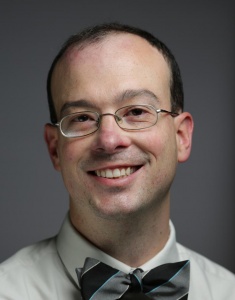
Stephen Joseph Balevic, MD
- Assistant Professor of Pediatrics
- Assistant Professor of Medicine
- Member of the Duke Clinical Research Institute
https://medicine.duke.edu/faculty/stephen-joseph-balevic-md
Patients should be counseled regarding the risk of hyper stimulation syndrome hypertension kidney infection buy labetalol canada, multiple pregnancy blood pressure medication and weight loss proven 100 mg labetalol, ectopic pregnancy and miscarriage hypertension abbreviation cheap 100mg labetalol with visa. The risk of hyperstimulation and multiple births can be minimized by vigilant monitoring of the induced cycle by endovaginal ultrasound scans prehypertension forum buy labetalol 100 mg free shipping. Induction of ovulation may be indicated in women with primary amenorrhea heart attack bpm order labetalol 100mg on line, secondary amenorrhea 5 htp and hypertension purchase labetalol 100 mg visa, or those with normal menstrual function who fail to conceive and in planned pregnancy where both partners are thalassaemics. Stimulation of follicular development to retrieve mature oocytes is essential in these cases, because of the greater chance of pregnancy occurring following the transfer of more than one embryo. The induction of the growth of follicles necessitates the administration of the ovulation induction drugs and different induction protocols. Most ovulation induction protocols for thalassaemia patients use standard medications. Male Fertility and Induction of Spermatogenesis the induction of spermatogenesis in male patients with thalassaemia is more difficult than the induction of ovulation in their female counterparts, with a success rate of only 10-15% in moderate to severely iron loaded patients (Skordis et al 2004). The clinical response is monitored, and testosterone levels are measured every 2 to 3 months. Sperm banking procedures, even in subjects with reduced sperm count and motility, are recommended. If this treatment regimen does not result in adequate sperm production after a maximum of 2 years, there is no indication to continue. Therefore, sperm cryopreserved should be considered in all subjects with a stated wish to have children in future unless already azoospermic, to better preserved fertility and so the chance of conception. Pre-Pregnancy Counseling Before embarking on fertility treatment, it is important that patients and their partners attend pre-pregnancy counseling, which has a three-fold purpose: (a) evaluation of eligibility, (b) an opportunity for physicians to review the medications involved and (c) time for a discussion between physician/s, patient and partner regarding the risks associated with induced fertility and pregnancy. Evaluation of eligibility Each patient should be assessed regarding suitability to embark on pregnancy with optimum outcome both for the mother and the fetus. The most important issue is that of cardiac function because cardiac complications remain the leading cause of death in transfused patients. The cardiac load is increased during pregnancy by at least 25-30% due to increased heart rate and stroke volume. This, along with iron load, has a real potential for premature death from cardiac failure. If left ventricular dysfunction can be demonstrated in patients under stressful conditions or if significant arrhythmias have occurred, then women should be strongly advised against planning pregnancy (Hui 2002). Most of the non-invasive cardiac investigations are relatively insensitive for detecting early cardiac iron loading. Before embarking on pregnancy, it is also important to establish bone heath by plain radiography of the spine and dual-energy x-ray absorptiometry scanning of the hip and spine (bone mineral density scoring) and correction of osteoporosis/ 161 osteopenia by institution of appropriate therapy (see Chapter 10, Osteoporosis). The opportunity should not be missed to ensure rubella immunity prior to pregnancy. Patients should also be screened for diabetes, thyroid function and acquired red cell antibodies. Review of medications this is a good opportunity to review medications and to advise patients about their dietary habits, smoking and alcohol, and to commence supplements of folic acid, calcium and vitamin D. Patients on oral chelators (deferasirox or deferiprone) are should be advised to switch to desferrioxamine prior to induction of ovulation/spermatogenesis (Singer 1999). Hormone replacement therapy should also be terminated at least 4-6 weeks prior to induction of gametogenesis. Bisphosphonates are contraindicated during pregnancy and breast-feeding because of the considerable negative calcium balance associated with these states. Given the long biological half-life of bisphosphonates, ideally they should be stopped at least 6 months prior to conception, although there are no consensus guidelines. It is of paramount importance to ensure adequate calcium and vitamin D intake before and throughout pregnancy. Other medications that should be discontinued for at least six months prior to fertility treatment include interferon, ribovarin and hydroxyurea. Hypothyroid patients receiving thyroid replacement therapy should receive increased doses to ensure they are euthyroid. However, if a patient is receiving anti-thyroid medication such as carbimazole, they should be switched to propyl thiouracil. Risks Associated with Pregnancy All patients should be made aware that pregnancy per se does not alter the natural history of thalassaemia. If pregnancy is managed in a multidisciplinary setting, the foetal outcome is usually improved with a slight reduction in incidence of growth restriction (Aessopos 1999, Tuck 2005, Ansari 2006). It has been shown that the risks of pregnancy-specific complications such as ante-partum haemorrhage and pre eclampsia in thalassaemia are similar to that in the background population. It has also been shown that deferoxamine is not required during pregnancy in patients that are not iron overloaded and have adequate cardiac function prior to pregnancy. Serum ferritin is likely to alter by 10%, despite increases in frequency of blood transfusion (Daskalakis 1998, Aessopos 1999, Butwick 2005, Tuck 2005). The aim during pregnancy is to maintain pre-transfusion haemoglobin concentrations above 10 g/dl. Once pregnancy is confirmed, the patient should be managed in a multidisciplinary setting with a team consisting of an obstetrician, midwife, physician, haematologist and anaesthetist. The patient should be made aware that although pregnancy is high risk, the outcome is usually favourable. It is important to note that the main risk to the mother is cardiac complications, which can be minimised by ensuring optimal cardiac function and good control of iron overload before initiation of pregnancy. Management of Pregnancy the key points include evaluation of cardiac function by echocardiography, and of liver and thyroid function, in each trimester. No significant cardiac complications were encountered provided they started pregnancy with optimal iron load. All patients should be screened for gestational diabetes at 16 weeks and, if normal, screening should be repeated at 28 weeks. Serial ultrasound scans from 24-26 weeks onwards must be undertaken to monitor foetal growth. Although there is a predisposition to venous thrombosis in post-splenectomy patients, no reports of thrombotic episodes have been noted in the literature (Daskalakis 1998, Tuck 1998). Folate demand in pregnancy is normally increased: this may be relevant in patients with thalassaemia due to bone overactivity. If cardiac function deteriorates during pregnancy, deferoxamine may be used with caution after the first trimester. This is because the literature supporting teratogenicity with this agent is equivocal (Singer 1999). However myocardial iron can accumulate during pregnancy and cases of worsening heart function (Perniola et al 2000) and fatal heart failure have been described (Tsironi 2010, Tuck 1998). Deferoxamine has therefore been used in some higher risk pregnancies, particularly in the final trimester (Bajoria 2009, Tsironi 2005, Singer 1999). With respect to the newer oral chelating agents, data on foetotoxicity are insufficient. Although there are currently no reports regarding human foetal anomalies from this drug, patients should be informed about this possible risk prior to its administration during pregnancy. Therefore, in patients with a history of previous myocardial iron deposition or borderline myocardial cardiac function, deferoxamine may be considered in the final trimester or in the peri-delivery period, as a prolonged labor with acidosis may increase the risk of cardiac decompensation. With respect to the management of labour, if pregnancy is non-complicated one can await the spontaneous onset of labor. Similarly though to the reported data the authors? experience suggests that 80% of women with thalassaemia will require Caesarean section because of higher frequency of cephalopelvic disproportion, largely due to short stature and skeletal deformity combined with normal foetal growth. If the mother has pre-pregnancy morbidites such as diabetes or cardiac disease then the prolonged pregnancy should be avoided. Low dose deferoxamine may be used during prolonged labour in patients with cardiac disease. Patients with osteoporosis usually have vertebral bodies with reduced height and the segmental position of the conus may be lower than predicted (Borgna-Pignatti 2006a, Borgna-Pignatti 2006b). It is therefore important to correct osteoporosis prenatally by hormone replacement and with bisphosphonates, where required, to increase bone density so that spinal anaesthesia becomes feasible. Bisphosphonates however have to be stopped at least 6 months prior to pregnancy due to their long biological half-life. After delivery, in principle deferoxamine can be recommenced because concentrations are very low in breast milk and because it is not absorbed from by the oral route (Howard 2012). Experience with breastfeeding in patients receiving deferoxamine is scant, however and has not been examined in formal clinical trials. Taking oestrogen-containing birth control pills is also not advisable because of the risk of thromboembolism. In most cases, the progesterone-only pill or barrier methods are usually appropriate. Calcium and vitamin D supplements should be continued during breastfeeding, however bisphosphonate therapy for osteoporosis should only be resumed after cessation of breastfeeding (Howard et al 2012). Check cardiac, liver and thyroid function once each trimester Screen for gestational diabetes. Ovarian reserve reflects the capacity of the ovary to provide eggs that are capable of fertilization resulting in a healthy and successful pregnancy. In Ovarian Reserve Testing, ultrasound techniques are used to indirectly measure of the size of the residual ovarian follicle pool. Reproductive aging is directly related to the decline in the number of antral follicles. Low ovarian reserve is considered predictive for low chances of spontaneous pregnancy and for poor ovarian response to hormonal stimulation. Spontaneous pregnancies in women with a preserved hypothalamic-pituitary-gonadal axis, who have normal menstrual cycles, are common. On the other hand women with primary or secondary amenorrhea are able to conceive following ovulation induction therapy. These include the degree of pre-existing cardiac impairment and of liver dysfunction, as well as the possibility of vertical transmission of viruses. If cardiac function deteriorates during pregnancy, deferoxamine may be used cautiously after the first trimester. The hypercoagulable state Pregnancy in patients with well-treated beta in thalassemia. Current perspectives Cardiac monitoring during pregnancy in women with of fertility and pregnancy in thalassemia. Reversible hypogonadotrophic hypogonadism in sexually infantile male thalassaemic Perera D, Pizzey A, Campbell A, et al. Clin damage in potentially fertile homozygous beta Endocrinol (Oxf) 2000; 53:33-42. Impairment of cardiac function in a successful full-term pregnancy in a homozygous? Iron overload, cardiac and other factors affecting pregnancy in thalassemia major. Other bone abnormalities have also been described in patients with thalassaemia, such as spinal deformities, scoliosis, nerve compression, spontaneous fractures, osteopenia and osteoporosis. According to the World Health Organization, osteoporosis is characterized by low bone mass and microarchitectural deterioration of bone tissue, leading to enhanced bone fragility and a consequential increase in fracture risk. Treatment with transfusion programmes and chelation therapy have significantly prolonged survival in thalassaemia patients. It is a non-invasive technique and can be performed at the hip, lumbar spine, and distal radius (Figure 2). Biology of Normal Bone Metabolism It is a common misconception that bones are static in nature and hardly change once an individual becomes an adult. On the contrary, bones are continuously undergoing a dynamic process of resorption and deposition known as bone metabolism (Figure 3). The cells responsible for bone metabolism are known as osteoblasts, which secrete new bone, and osteoclasts, which break bone down. The structure of bones, as well as adequate supply of calcium, requires close cooperation between these two types of cells. It relies on complex signaling pathways to achieve proper rates of growth and differentiation. It is in this way that the body is able to maintain proper levels of calcium required for physiological processes. Blood vessel New lining Local factors cells Osteoid Lining cells Osteoblasts Osteoid Osteoclasts Microcrack New bone New osteocytes Cement line Osteocyte apoptosis Old bone 171 Figure 3. The damaged bone is resorbed by the osteoclasts, and rebuilt by osteoblasts, both of which communicate through cy tokine signaling. Osteocytes are old osteoblasts that occupy the lacunar space and are surround ed by the bone matrix; osteocytes are considered the key cell for bone remodeling. Pathogenesis In thalassaemia, marrow expansion causes mechanical interruption of bone formation, leading to cortical thinning, and is considered to-date as a main reason of distortion and fragility of the bones in thalassaemia patients. Iron overload and desferrioxamine: Iron deposition in the bone impairs osteoid maturation and inhibits mineralisation locally, resulting in focal osteomalacia. The mechanism by which iron overload interferes in osteoid maturation and mineralisation includes the incorporation of iron into crystals of calcium hydroxyapatite, which consequently affects the growth of hydroxyapatite crystals and reduces the bone metabolism unit tensile strength. Vitamin deficiencies: Vitamin C deficiency in iron overload patients with low levels of serum ascorbic acid induces the risk of osteoporotic fractures. This reduced physical activity predisposes to bone loss and subsequent osteoporosis. All the above factors can lead to bone loss by increasing the osteoclast function and/or reducing the osteoblast activity. Markers of biochemical of bone metabolism that can be used in patients with thalas saemia.
Period of Communicability Communicability begins early after infection and extends throughout the individuals lifespan arrhythmia chapter 1 generic labetalol 100mg on-line. Aliquot required amount of plasma equally between two (2) 4 mL cryovials (preferred) or two (2) 12 x 75 mm plastic tubes as soon as possible blood pressure chart elderly purchase labetalol online pills. Methods of Control/Role of Investigator Prevention and Education Refer to the Blood and Body Fluid Pathogens Introduction and General Considerations section of the manual that highlights topics for client education that should be considered arrhythmia quizzes buy labetalol 100 mg on-line. Health education efforts should include both broad-based campaigns to raise awareness of risk pulse pressure ratio generic labetalol 100mg line, modes of transmission blood pressure medication beginning with r generic labetalol 100mg mastercard, and prevention measures pulse pressure 81 order labetalol overnight, and reduce stigma as well as targeted programs to educate and reduce risk in target populations. Education Refer to the Blood and Body Fluid Pathogens Introduction and General Considerations section of the manual that highlights topics for client education that should be considered. Education Providers are expected to be proficient in providing education in the topics below. Education must be tailored to the individual and often requires repetition and reinforcement of learning. Information may need to be reinforced using written materials and repeated conversations. Contacts/Contact Investigation Contact Definition Contacts should be identified and notified. The frequency and timing of testing should be based on the time since the most recent exposure/risk behaviour. For example if the exposure was 12 months ago, the baseline test would be all that is required unless the contact is engaging in other risk behaviours in which case regular testing should be suggested. Contacts should be provided 7 immunizations as per the Saskatchewan Immunization Manual, Chapter 5 and 8 Chapter 7. Standard blood and body fluid precautions apply until assured negative through testing as recommended above. Environment Child Care Centre Control Measures Refer to the Saskatchewan Ministry of Health Infection Control Manual for Child 9 Care Facilities. All childcare centre staff should use standard precautions when handling all blood and body fluids. If the child is known to bite, this should be discussed with the Medical Health Officer. Standard precautions should be followed by all staff working in health care settings. All health care settings should have policies and procedures in place for managing staff with occupational risk due to exposure to blood or body fluids. For more information on occupational exposure see the Saskatchewan Guidelines for 10 the Management of Exposures to Blood and Body Fluids. All settings should have policies and procedures in place for managing staff with occupational risk due to exposure to blood or body fluids. As well, there should be policies and procedures in place to manage occupational exposures to blood and body fluids. For more information on occupational exposure see the Saskatchewan Guidelines for 11 the Management of Exposures to Blood and Body Fluids. Occupational risk of human immunodeficiency virus infection in healthcare workers: An overview. Infection control guidelines: Routine practices and additional precautions for preventing the transmission of infection in health care. Interpretation and use of the Western blot assay for serodiagnosis of human immunodeficiency virus type 1 infections. Person born in a country where heterosexual transmission predominates (see over). List of Endemic Countries: Caribbean and Central/South America: Anguilla French Guiana Netherland Antilles Antigua and Barbuda Grenada Saint Lucia Bahamas Guadeloupe St. Vincent and the Grenadines Bermuda Haiti Suriname British Virgin Islands Honduras Trinidad and Tobago Cayman Islands Jamaica Turks and Caicos Islands Dominica Martinique U. Country of birth Year of arrival in Canada Herpes simplex: chronic ulcer(s) leukoencephalopathy (>1 mo. Non-medical, non-occupational exposure which could have been the source of the infection. Received transfusion of whole blood or blood components such as packed red cells, plasma, platelets or cryoprecipitate. This portion is called the coding region because it provides the instructions for proteins to create these features. Y chromosomes are passed through the paternal line?a brother, father and male children will exhibit the same Y chromosome. This could be beneficial if the investigator has reason to believe the perpetrator was from another country. Samples that May be Used Investigators collect items that could have been touched or worn by persons involved in a crime. For example, consider a breaking-and-entering that occurred in a residential area. Near the point of forced entry, a knit cap was found which the homeowners confirm was not theirs. For example, if a person touched an object or weapon, skin cells may have been left behind. Sometimes a court order is required to retrieve a reference from a person of interest. Reference samples are always collected from victims unless they choose not to cooperate with the investigation; in that case, a court order might be required. In addition to unknown and reference samples, elimination samples are often collected from consensual sex partners and others, such as first responders, crime scene personnel and analysts working the case so they can be excluded from the investigation. It is important that biological evidence be properly collected and preserved as it can easily degrade when exposed to heat or humidity. Storing evidence in cool environments is preferred; however, research has shown that room temperature conditions are suitable for storing dried stains as long as the humidity is controlled. To ensure analysts? skills are kept up to date, analysts who are actively employed at a crime laboratory are also required to meet continuing education requirements. Screening for the presence of biological materials may also be conducted in the laboratory to determine if a specific biological fluid may be present. Most biological screening tests are presumptive in nature and do not specifically identify a bodily fluid. To determine who deposited biological material at a crime scene, unknown samples are collected and then compared to known samples taken directly from a suspect or victim. Quality Assurance is the process of reviewing analyst reports for technical accuracy. During extraction, a centrifuge is used to concentrate the sample to the base of the tube. In a complete profile, each person will exhibit either one or two peaks (alleles) at each locus. The following electropherogram is an example of a profile from a single individual (i. This image shows that the first four loci from the unknown evidence sample collected at the scene match the sample collected from the suspect. In the following example, each marker from the suspect sample is included in the mixture profile collected from the evidence. Partial Profiles: If any locus is missing an allele, this is considered a partial profile. Partial profiles can happen for a variety of reasons, such as when a sample is degraded. If a sample has peaks at every locus, but any of them fall below a predetermined threshold, this would also be considered a partial profile. States require the profile to have information for seven or more loci, and the local database requires at least four loci to be present to be uploaded. If the two profiles are not consistent at each locus, the finding can be interpreted as a ?nonmatch? or ?exclusion. If there are insufficient data to support a conclusion, the finding is often referred to as ?inconclusive. A statistic is also provided if all loci of a partial profile match the known sample, but this is obviously not as strong as two full-profile matches. A match at all 13 loci between an evidentiary sample and a known sample is strong evidence that the known individual deposited the evidentiary biological sample. If there is a match at only a few of the loci, the evidence is considerably weaker. There must be a matching profile available to compare it to? either in a database or from a known sample. However, partial profiles may still be helpful in determining if an individual could be included or excluded in the investigation. To ensure the most accurate analysis of evidence, the management of forensic laboratories puts in place policies and procedures that govern facilities and equipment, methods and procedures, and analyst qualifications and training. Depending on the state in which it operates, a crime laboratory may be required to achieve accreditation to verify that it meets quality standards. There are two internationally recognized accrediting programs focused on forensic laboratories: the American Society of Crime Laboratory Directors Laboratory Accreditation Board. To continue the investigation, she must coordinate with the agency that analyzed and uploaded the sample to obtain these details. In a busy crime laboratory, laboratories often have a goal of providing an analysis report within 30 days. To compare a profile to those in a state databank will typically take several weeks to process. Once entered into the database, profiles are continuously searched against new profiles as they are entered to see if they match. Allele the characteristics of a single copy of a specific gene, or of a single copy of a specific location on a chromosome. Genotype the genetic constitution of an organism, as distinguished from its physical appearance (its phenotype); the designation of two alleles at a particular locus is a genotype. Locus the specific physical location of a gene on a chromosome; the plural form is loci. Reference Samples Material of a verifiable/documented source which, when compared with evidence of an unknown source, shows an association or linkage between an offender, crime scene, and/or victim. Resources & References You can learn more about this topic at the websites and publications listed below. Carrie Sutherland, NamUs Regional System Administrator, University of North Texas Health Science Center Forensic Evidence Admissibility and Expert Witnesses How or why some scientific evidence or expert witnesses are allowed to be presented in court and some are not can be confusing to the casual observer or a layperson reading about a case in the media. However, there is significant precedent that guides the way these decisions are made. Our discussion here will briefly outline the three major sources that currently guide evidence and testimony admissibility. The Frye Standard Scientific Evidence and the Principle of General Acceptance In 1923, in Frye v. United States[1], the District of Columbia Court rejected the scientific validity of the lie detector (polygraph) because the technology did not have significant general acceptance at that time. The court gave a guideline for determining the admissibility of scientific examinations: Just when a scientific principle or discovery crosses the line between the experimental and demonstrable stages is difficult to define. Somewhere in this twilight zone the evidential force of the principle must be recognized, and while the courts will go a long way in admitting experimental testimony deduced from a well-recognized scientific principle or discovery, the thing from which the deduction is made must be sufficiently established to have gained general acceptance in the particular field in which it belongs. Essentially, to apply the ?Frye Standard? a court had to decide if the procedure, technique or principles in question were generally accepted by a meaningful proportion of the relevant scientific community. Federal Rules of Evidence, Rule 702 In 1975, more than a half-century after Frye was decided, the Federal Rules of Evidence were adopted for litigation in federal courts. Their alternative to the Frye Standard came to be used more broadly because it did not strictly require general acceptance and was seen to be more flexible. While the states are allowed to adopt their own rules, most have adopted or modified the Federal rules, including those covering expert testimony. The Daubert Standard Court Acceptance of Expert Testimony In Daubert and later cases, the Court explained that the federal standard [2] includes general acceptance, but also looks at the science and its application. Trial judges are the final arbiter or ?gatekeeper? on admissibility of evidence and acceptance of a witness as an expert within their own courtrooms. In deciding if the science and the expert in question should be permitted, the judge should consider: The Daubert Court also observed that concerns over shaky evidence could be handled through vigorous cross-examination, presentation of contrary evidence and careful instruction on the burden of proof. In many states, scientific expert testimony is now subject to this Daubert standard. Over the years, evidence presented at trial has grown increasingly difficult for the average juror to understand. By calling on an expert witness who can discuss complex evidence or testing in an easy-to-understand manner, trial lawyers can better present their cases and jurors can be better equipped to weigh the evidence. The various forensic disciplines follow different training plans, but most include in-house training, assessments and practical exams, and continuing education. Oral presentation practice, including moot court experience (simulated courtroom proceeding), is very helpful in preparing examiners for questioning in a trial. Normally, the individual that issued the laboratory report would serve as the expert at court. This person could be a supervisor or technical leader, but doesn?t necessarily need to be the one who did the analysis. The opposition may also call in experts to refute this testimony, and both witnesses are subject to the standard in use by that court (Frye, Daubert, Fed.
Genetic variation in genes involved in iron metabolism appear to affect PbBs; however blood pressure medication overdose treatment buy 100mg labetalol mastercard, it is not certain if these associations are caused by changes in Pb absorption heart attack 720p download generic 100 mg labetalol otc. Evidence for the effect for iron deficiency on Pb absorption has been provided from animal studies blood pressure chart youth 100 mg labetalol otc. In rats arteria rectal superior order cheap labetalol online, iron deficiency increases the gastrointestinal absorption of Pb prehypertension erectile dysfunction buy discount labetalol on line, possibly by enhancing binding of Pb to iron binding proteins in the intestine (Bannon et al arrhythmia khan academy cheap labetalol 100mg mastercard. Interactions between iron and Pb appear to involve either intracellular transfer or basolateral transfer mechanisms. Iron (FeCl2) added to the mucosal fluid of the everted rat duodenal sac decreases serosal transfer, but not mucosal uptake of Pb (Barton 1984). The above observations suggest that rate limiting saturable mechanisms for Pb absorption are associated with transfer of Pb from cell to blood rather than with mucosal transfer. Similar mechanisms may contribute to Pb-iron and Pb-calcium absorption interactions in humans, and possibly interactions between Pb and other divalent cations such as cadmium, copper, magnesium, and zinc. An inverse relationship has been observed between dietary calcium intake and PbBs in children, suggesting that children who are calcium-deficient may absorb more Pb than calcium-replete children (Elias et al. Complexation with calcium (and phosphate) in the gastrointestinal tract and competition for a common transport protein have been proposed as possible mechanisms for this interaction (Barton et al. Absorption of Pb from the gastrointestinal tract is enhanced by dietary calcium depletion or administration of cholecalciferol (Mykkanen and Wasserman 1981, 1982). This "cholecalciferol-dependent" component of Pb absorption appears to involve a stimulation of the serosal transfer of Pb from the epithelium, not stimulation of mucosal uptake of Pb (Mykkanen and Wasserman 1981, 1982). This is similar to the effects of cholecalciferol on calcium absorption (Bronner et al. In a study of young children (ages 6?12 months), PbBs increased in association with lower dietary Zn levels (Schell et al. Although there is no direct evidence for this in humans, an increase in Pb absorption may contribute, along with other mechanisms. Pb absorption in humans may be a capacity-limited process, in which case, the percentage of ingested Pb that is absorbed may decrease with increasing rate of Pb intake. Studies, to date, do not provide a firm basis for discerning if the gastrointestinal absorption of Pb is limited by dose. Numerous observations of nonlinear relationships between PbB and Pb intake in humans provide support for the existence of a saturable absorption mechanism or some other capacity-limited process in the distribution of Pb in humans (Pocock et al. However, in immature swine that received oral doses of Pb in soil, Pb dose-blood Pb relationships were curvilinear, whereas dose-tissue Pb relationships for bone, kidney, and liver were linear. The same pattern (nonlinearity for PbB and linearity for tissues) was observed in swine administered Pb acetate intravenously (Casteel et al. These results suggest that the nonlinearity in the Pb dose-blood Pb relationship may derive from an effect of Pb dose on some aspect of the biokinetics of Pb other than absorption. Evidence for capacity-limited processes at the level of the intestinal epithelium (Aungst and Fung 1981; Barton 1984; Flanagan et al. In rats, an inverse relationship was found between absorption and particle size of Pb in diets containing metallic Pb particles that were? Dissolution kinetics experiments with Pb-bearing mine waste soil suggest that surface area effects control dissolution rates for particles sizes of <90? Absorption of Pb from the gastrointestinal tract involves absorptive transport of soluble Pb species. In order for Pb to be absorbed from soil, it must first be made bioaccessible in the gastrointestinal tract. The process of rendering soil Pb bioaccessible may involve: (1) physical and/or chemical digestion of the soil particles to expose Pb deposits to gastrointestinal tract fluids; (2) transfer of Pb minerals from exposed surfaces on soil particles to the aqueous environment of the gastrointestinal tract; and (3) chemical transformation of Pb minerals to soluble Pb species. Although absorptive transport of Pb occurs predominantly, if not solely, in the upper small intestine, bioaccessibility processes occurring in the stomach appear to be major determinants of Pb absorption. The value reported for fasted subjects (26%) was approximately half that reported for soluble Pb ingested by fasting adults, or approximately 60% (Blake et al. Measurements of the absorption of soil Pb in infants or children have not been reported. These studies have shown that absorption of soil Pb varies depending upon the Pb mineralogy and physical characteristics of the Pb in the soil. Electron microprobe analyses of Pb-bearing grains in the various soils revealed that the grains ranged from as small as 1?2? These variations in size and mineral content of the Pb-bearing grains are the suspected cause of variations in the gastrointestinal absorption of Pb from different samples of soil. Dermal absorption of inorganic Pb compounds is generally considered to be much less than absorption by inhalation or oral routes of exposure; however, few studies have provided quantitative estimates of dermal absorption of inorganic Pb in humans, and the quantitative significance of the dermal absorption pathway as a contributor to Pb body burden in humans remains an uncertainty. Pb was detected in the upper layers of the stratum corneum of Pb-battery workers, prior to their shifts and after cleaning of the skin surface (Sun et al. Following skin application of 203Pb-labeled Pb acetate in cosmetic preparations (0. Pb also appears to be absorbed across human skin when applied to the skin as Pb nitrate; however, quantitative estimates of absorption have not been reported. Exfoliation has been implicated as an important pathway of elimination of other metals from skin. Pb concentrations in sweat collected from the right arm increased 4-fold following the application of Pb to the left arm, indicating that some Pb had been absorbed (amounts of sweat collected or total Pb recovered in sweat were not reported; Stauber et al. In similar experiments with three subjects, measurements of 203Pb in blood, sweat, and urine, made over a 24-hour period following dermal exposures to 5 mg Pb as 203Pb nitrate or acetate, accounted for <1% of the applied (or adsorbed) dose (Stauber et al. This study also reported that absorption of Pb could not be detected from measurements of Pb in sweat following dermal exposure to Pb as Pb carbonate. Studies conducted in animals provide additional evidence that dermal absorption of inorganic Pb is substantially lower than absorption from the inhalation or oral route. In a comparative study of dermal absorption of inorganic and organic salts of Pb conducted in rats, approximately 100 mg of Pb was applied in an occluded patch to the shaved backs of rats. Based on urinary Pb measurements made prior to and for 12 days following exposure, Pb compounds could be ranked according to the relative amounts absorbed (i. The estimates for percent of dose excreted underestimate actual absorption as these estimates do not account for the Pb retained in bone and other tissues. Following application of Pb acetate to the shaved clipped skin of rats, the concentration of Pb in the kidneys was found to be higher relative to controls, suggesting that absorption of Pb had occurred (Laug and Kunze 1948). This study also observed that dermal absorption of Pb from Pb arsenate was significantly less than from Pb acetate, and that mechanical injury to the skin significantly increased the dermal penetration of Pb. Relative to inorganic Pb and organic Pb salts, tetraalkyl Pb compounds have been shown to be rapidly and extensively absorbed through the skin of rabbits and rats (Kehoe and Thamann 1931; Laug and Kunze 1948). Tetraethyl Pb was reported to be absorbed by the skin of rats to a much greater extent than Pb acetate, Pb oleate, and Pb arsenate (Laug and Kunze 1948). Evidence for higher dermal permeability of organic Pb compounds compared to inorganic organic salts of Pb also comes from in vitro studies conducted with excised skin. The rank order of absorption rates through excised skin from humans and guinea pigs was as follows: tetrabutyl Pb > Pb nuolate (Pb linoleic and oleic acid complex) > Pb naphthanate > Pb acetate > Pb oxide (nondetectable) (Bress and Bidanset 1991). Absorbed inorganic Pb appears to be distributed in essentially the same manner regardless of the route of absorption (Chamberlain et al. The expression ?body burden? is used here to refer to the total amount of Pb in the body. Most of the available information about the distribution of Pb to major organ systems. A more recent autopsy study found lower Pb concentrations in autopsies performed during the period 2004?2013 (Mari et al. In general, these studies indicate that the distribution of Pb appears to be similar in children and adults, although a larger fraction of the Pb body burden of adults resides in bone. Several models of Pb pharmacokinetics have been proposed to characterize such parameters as intercompartmental Pb exchange rates, retention of Pb in various tissues, and relative rates of distribution among the tissue groups (see Section 3. Concentrations of Pb in blood vary considerably with age, physiology/life stage. PbBs in the United States have decreased considerably in the last several decades as a result of removal of Pb from gasoline and restrictions placed on the use of Pb in residential paints (Brody et al. Although the mechanisms by which Pb crosses cell membranes have not been fully elucidated, results of studies in intact red blood cells and red blood cell ghosts indicate that there are two, and possibly three, pathways for facilitated transfer of Pb across the red cell membrane. Pb and calcium may also share a permeability pathway, which may be a Ca2+-channel (Calderon-Salinas et al. Two other Pb-binding proteins have been identified in erythrocytes, a 45 kDa protein (Kd 5. The decrease in hematocrit that occurs in early infancy (51% at birth to 35% at 6 months) may decrease the total binding capacity of blood and PbBs over the first postnatal 6 months (Simon et al. Pb binds to several constituents in plasma and it has been proposed that Pb in plasma exists in four states: loosely bound to serum albumin or other proteins with relatively low affinity for Pb, complexed to low molecular weight ligands such as amino acids and carboxylic acids, tightly bound to a circulating metalloprotein, and as free Pb2+ (Al-Modhefer et al. The concentration of Pb2+ in fresh serum, as measured by an ion-selective Pb electrode, was reported to be 1/5,000 of the total serum Pb (Al-Modhefer et al. Approximately 40?75% of Pb in the plasma is bound to plasma proteins, of which albumin appears to be the dominant ligand (Al-Modhefer et al. Pb in serum that is not bound to protein exists largely as complexes with low molecular weight sulfhydryl compounds. Other potential low molecular weight Pb-binding ligands in serum may include citrate, cysteamine, ergothioneine, glutathione, histidine, and oxylate (Al-Modhefer et al. Saturable binding to red blood cell proteins contributes to curvature to the blood Pb-plasma Pb relationship with an increase in the plasma/blood Pb ratio with increasing PbB (Barbosa et al. As binding sites for Pb in red blood cells become saturated, a larger fraction of the blood Pb is available in plasma to distribute to brain and other Pb-responsive tissues. This contributes to a curvature in the relationship between Pb intake and PbB, with the blood Pb/intake slope decreasing with increasing Pb intake, which has been observed in children (Sherlock and Quinn 1986) and immature swine (Casteel et al. Saturable binding of Pb to red blood cell proteins also contributes to a curvilinear relationship between blood Pb and urinary Pb, whereas the relationship between plasma Pb concentration and urine Pb is linear (Bergdahl et al. In human adults, approximately >90% of the total body burden of Pb is found in the bones. Based on analyses of post-mortem tissues, bone accounted for 94% of the total Pb body burden of adults and 73% of the body burden in children (Barry 1975). Pb concentrations in bone increase with age, indicative of a relatively slow turnover of Pb in adult bone (Barry 1975, 1981; Gross et al. Pb in adult bone can serve to maintain blood Pb levels long after exposure has ended (Fleming et al. It can also serve as a source of Pb transfer to the fetus when maternal bone is resorbed for the production of the fetal skeleton (Franklin et al. Pb forms highly stable complexes with phosphate and can replace calcium in the calcium-phosphate salt, hydroxyapatite, which comprises the primary crystalline matrix of bone (Bres et al. During infancy and childhood, bone calcification is most active in trabecular bone, whereas in adulthood, calcification occurs at sites of remodeling in cortical and trabecular bone. This suggests that Pb accumulation will occur predominantly in trabecular bone during childhood, and in both cortical and trabecular bone in adulthood (Aufderheide and Wittmers 1992). The association of Pb uptake and release from bone with the normal physiological processes of bone formation and resorption renders Pb biokinetics sensitive to these processes. Two physiological compartments appear to exist for Pb in cortical and trabecular bone, to varying degrees. In one compartment, bone Pb is essentially inert, having an elimination half-time of several decades. A labile compartment exists as well that allows for maintenance of an equilibrium of Pb between bone and soft tissue or blood (Rabinowitz et al. In general, bone turnover rates decrease as a function of age, resulting in slowly increasing bone Pb levels among adults (Barry 1975; Gross et al. Osteoporosis and release of Pb from resorbed bone to blood may contribute to decreasing bone Pb content in females (Gulson et al. Evidence for the exchange of bone Pb and soft tissue Pb stores comes from analyses of stable Pb isotope signatures of Pb in bone and blood. A comparison of blood and bone Pb stable isotope signatures in five adults indicated that bone Pb stores contributed to approximately 40?70% of the Pb in blood (Smith et al. During pregnancy, the mobilization of bone Pb increases, as the bone is resorbed to produce the fetal skeleton. Analysis for kinetics of changes in the stable isotope signatures of blood Pb in pregnant women as they came into equilibrium with a novel environmental Pb isotope signature indicated that 10? 88% of the Pb in blood may derive from the mobilization of bone Pb store and approximately 80% of cord blood may be contributed from maternal bone Pb (Gulson 2000; Gulson et al. The mobilization of bone Pb during pregnancy may contribute, along with other mechanisms. Bone resorption during pregnancy can be reduced by ingestion of calcium supplements (Janakiraman et al. Additional evidence for increased mobilization of bone Pb into blood during pregnancy is provided from studies in nonhuman primates and rats (Franklin et al. Direct evidence for transfer of maternal bone Pb to the fetus has been provided from stable Pb isotope studies in Cynomolgus monkeys (Macaca fascicularis) that were dosed with Pb having a different stable isotope ratio than the Pb to which the monkeys were exposed at an earlier age; approximately 7?39% of the maternal Pb burden that was transferred to the fetus appeared to have been derived from the maternal skeleton (Franklin et al. In addition to pregnancy, other states of increased bone resorption appear to result in release of bone Pb to blood; these include lactation, osteoporosis, and severe weight loss. Analysis of kinetics of changes in the stable isotope signatures of blood Pb in postpartum women as they came into equilibrium with a novel environmental Pb isotope signature indicated that the release of maternal bone Pb to blood appears to accelerate during lactation (Gulson et al. Similar approaches have detected increased release of bone Pb to blood in women, in association with menopause (Gulson et al. These observations are consistent with epidemiological studies that have shown increases in PbB after menopause and in association with decreasing bone density in postmenopausal women (Berkowitz et al. Several studies have compared soft tissue concentrations of Pb in autopsy samples of soft tissues (Barry 1975, 1981; Gross et al. These studies were conducted in the 1960s and 1970s and, therefore, reflect burdens accrued during periods when ambient and occupational exposure levels were much higher than current levels. Levels in other soft tissues also appear to have decreased substantially since these studies were reported (Barregard et al.
Order labetalol 100mg overnight delivery. Hypertension - Overview (causes pathophysiology investigations treatment.
Ankara hypertension bench 100mg labetalol mastercard, Ankara University arrhythmia icd 9 codes generic 100mg labetalol fast delivery, Medical School blood pressure blurry vision purchase genuine labetalol on-line, Department of Endocrinology and Metabolism blood pressure medication benicar discount 100 mg labetalol otc, 2003 arteria testicularis purchase labetalol 100mg otc. The Incidence of thyroid disorders in the community a 20-year follow-up of the Whickham survey heart attack jim jones buy labetalol online. Assessment of the current status of iodine prophylaxis in Bosnia and Her zegovina Federation. Goitre prevalence and thyroid abnormalities at ultrasonography: a com parative epidemiological study in two regions with slightly different iodine status. Continuous rise of urinary iodine excretion and drop in thyroid gland size among adolescents in Mecklenburg-West-Pomerania from 1993 to 1997. Small thyroid volumes and normal iodine excretion in Berlin school children indicate full normalization of iodine supply. Maternal iodine status and thyroid volume during pregnancy: correla tion with neonatal iodine intake. Prevalenza di gozzo ed escrezione urinaria di iodio in un campione di bam bini in eta scolare della citta di Roma [Goiter prevalence and urinary excretion of iodine in a sample of school-age children in the city of Rome]. A survey of iodine intake and thyroid volume in Dutch schoolchildren: reference values in an iodine-suf? The health and nutrition of the refugee population in the Federal Republic of Yugoslavia. The effectiveness of iodine prophylaxis of endemic goiter in Slovakia from the viewpoint of physical and ultrasonographic examinations of the thyroid gland. Monitoring the adequacy of salt iodization in Switzerland: a national study of school children and pregnant women. Skopje, Institute of Pathophysio logy, Nuclear Medicine and Medical Faculty, 2004. Toward a consensus on reference values for thyroid volume in iodine-replete schoolchildren: results of a workshop on interobserver and inter-equipment variation in sonographic measurement of thyroid volume. Thyrotropin and thyroglobulin as an index of optimal iodine intake: Correlation with iodine excretion of 39,913 euthyroid patients. The incidence of hyperthyroidism in Austria from 1987 to 1995 before and after an increase in salt iodization in 1990. Regional variations of iodine nutrition and thyroid function during the neonatal period in Europe. Relations between various measures of iodine intake and thyroid volu me, thyroid nodularity, and serum thyroglobulin. Amelioration of some pregnancy-associated variations in thyroid func tion by iodine supplementation. Opposite variations in maternal and neonatal thyroid function indu ced by iodine supplementation during pregnancy. Neonatal thyroid-stimulating hormone screening as an indirect method for the assessment of iodine de? The screening programme for congenital hypo thyroidism in Greece: evidence of iodine de? Iodine intake and the pattern of thyroid disorders: A comparative epide miological study of thyroid abnormalities in the elderly in Iceland and in Jutland, Denmark. Endemic goiter and thyroid function in Central-Southern Sardinia report on an extensive epidemiologic survey. Increased risk of maternal thyroid failure with pregnancy progression in an iodine de? Subclinical hypothyroidism in early childhood: a frequent outcome of transient neonatal hyperthyrotropinemia. Neuropsychological assessment in schoolchildren from an area of moderate iodine de? A mass screening program for congenital hypothyroidism as the best method of monitoring iodine de? Thyroid disease in middle-aged and elderly Swedish women: thyroid-related hormones, thyroid dysfunction and goitre in relation to age and smoking. Decrease of incidence of toxic nodular goiter in a region of Switzerland after full correction of mild iodine de? Two random Tyroidectomy is the most frequent intervention in ized studies [9,10] and two case-controlled studies endocrine surgery. When performed in specialized [11,12] have shown that the harmonic scalpel signif centers, the operation is safe with low morbidity and cantly shortens the operative time compared to the a virtually 0% mortality [1]. This reduction of up to 20% surgery are directly correlated to the extent of resec in operative time has proved to be cost-efective [13]. Tus, the cornerstones ing technique has also been introduced and tested of safe and efective thyroid surgery are an adequate [14,15]. However, this technique did not signifcantly training, the understanding of the anatomy and pa reduce operative time, blood loss, or the complica thology, as well as a meticulous dissection technique. All men of three-dimensional topographic anatomy, typical tioned studies compared new ultrasonic or diathermy landmarks, and possible anatomic variations. The me dissection devices with the conventional clamp-and ticulous dissection technique is achieved by a proper tie technique. However, no comparison with the uti exposure of all fne anatomic structures in a blood lization of hemoclips to secure smaller vessels was less dry surgical feld. The appropriate position of the neck incision is approximately two fnger breadths above Until 2000 there was no uniformly applied defnition the sternal notch or in the middle between the sternal in the literature regarding the extent of thyroidec notch and the thyroid cartilage. If the incision is too tomy that should be performed for benign and malig low, the tendency to keloid formation and resulting nant pathologies. Lumpectomy or nodulectomy refer to removal of a thyroid nodule alone with minimal surrounding thy 7. Partial thyroidectomy involves removal of a nodule with a larger margin of normal thyroid tis The patient is positioned with the neck extended. The defnition of subtotal thyroidectomy belongs Rolled towels are placed under the shoulders which to the bilateral removal of more than 50% of each lobe allow sufcient neck extension. Near total thyroidectomy is defned as head of the table is elevated to a 30? position during the total extracapsular removal of one lobe including surgery. Disinfection is performed using an alcoholic the isthmus with less than 10% of the contralateral agent without iodine which might interfere with post lobe lef behind. During total thyroidectomy both operative radionuclear scanning and ablative therapy. Preoperative preparation of patients with thyro Every surgeon should adopt a stepwise, standardized toxicosis is particularly critical to avoid operative or strategy for thyroidectomy. Routine preoperative la sary in the case of perithyroidal infammation, large ryngoscopy is not necessary if the patient does not re goiters, or unexpected intraoperative fndings. However, if patients have pre viously undergone any type of neck surgery or if the voice appears to be altered, laryngoscopy is indicated. The use of a natural skin when the operating surgeon is positioned on the right crease if present seems attractive. By predominantly blunt dissection, cosmesis, the skin incision should be as long as nec the anterior aspect of the respective thyroid gland is essary but as short as possible. Caution should be applied while retracting believes that a 4 to 5-cm incision allows safe thyroid the strap muscles to avoid disrupting the medial thy ectomy in most cases and results in excellent cosme roid veins. Proper exposure to the lateral or those with short necks will require a larger inci aspects of the thyroid gland is achieved using right sion for optimal exposure. Division of the strap through the skin and the subcutaneous layer through muscles may be necessary in the case of a very large the platysma muscle to the lateral extent of the skin goiter, when a central neck dissection is indicated, or incision. The two muscles (sternohyoid ing them away from the strap muscles upward to the and sternothyroid) are separated using diathermia. Teir borders are secured with 2-0 threads that serve Elevation of the two faps is almost bloodless if the as stay sutures. The cranial fap is transfxed using stay sutures that are secured on two hooks placed on a horizontal rod 7. This nerve can sometimes be identifed as it descends with the The approach to the thyroid capsule is done by split vessels and anterior to the cricoid muscle but is ofen ting the strap muscles in the midline. For a bi identifcation and dissection of the superior laryngeal lateral approach, the lef thyroid lobe is frst dissected. The superior vessels are using a vessel loop in order to facilitate further expo usually ligated with transfxing sutures. The nerve may easily be found at its with prominent superior poles ofen require more constant landmark, the so-called Zuckerkandl tuber than one transection step. The nerve appears as a white cord com tertiary branches of the inferior thyroid artery. Truncal ligation of the in virtually only on the right side and is associated with ferior thyroid artery should be omitted. However, it an anomalous right subclavian artery with a reported is sometimes helpful to hold the trunk of the artery frequency of 0. Regardless of whether a unilateral lobectomy or total The inferior parathyroid gland is usually found at the thyroidectomy is performed, all identifed parathy inferior pole of the thyroid or within the tongue of roid tissue should be preserved on its native blood the thymus. If a gland is devascularized during dissection, rior pole in a similar fashion to the superior gland. Although there have been Disruption of the thyroid-thymic ligament should be sporadic reports of parathyroid autotransplantation, avoided as it provides most of the blood supply to the it has only been in the last 30 years that the technique inferior parathyroid gland. The best way to preserve the para toid muscle or other convenient muscle at the time thyroid glands in situ is the extracapsular dissection of thyroidectomy. With the utilization of the extra vascularized and should then be trimmed back to the capsular dissection, the parathyroid glands are swept area of good arterial fow and viability. The remaining of the thyroid capsule and are lef in situ with their portion is removed, minced, and autotransplanted. The superior parathyroid gland is Histologic confrmation of parathyroid tissue is cru usually found afer mobilization of the superior pole cial in the setting of thyroid cancer. The lateral aspect of the thyroid gland ses from thyroid cancer can mimic parathyroid tissue superior to the inferior thyroid artery usually reveals and should not be transplanted. By separating superior medial edge and sweeping the pad inferiorly the muscle fbers of the sternocleidomastoid muscle, a and laterally. It is important not to disrupt the fat pad pocket containing about a 1-ml space is created using 86 Daniel Oertli blunt dissection. This small artery should be isolated planted into the pocket which is closed and marked and clipped before cutting (Fig. Sudden bleed suspension using saline which is then aspirated with ing is best handled, with the aid of suction, by iden a 2-ml syringe and injected into the sternocleidomas tifying the vessel stump, and clamping or clipping, toid muscle with an 18-gauge needle. If oozing occurs at this point, the placement of a hemo styptic gelatine sponge is advised. Veins from the anterior superior mediastinum A postoperative drain can never replace accurate he are exposed and divided very close to the thyroid mostasis and is of little or no use if severe postopera gland. This vessel may origi show any advantage of drainage afer thyroidectomy nate either from the brachiocephalic trunk, the right [33,34]. The strap muscles are sutured continuously carotid artery, directly from the aortic arch, the inter with a 3-0 absorbable thread, the platysma with a 4-0 nal thoracic artery, or from a mediastinal artery. This thread, and the skin is closed by an intradermal run vessel may cause intraoperative bleeding especially ning suture using 5-0 absorbable thread. Principally three distinct approaches exist for space between the superior thyroid pole and the lar reoperative thyroid and parathyroid surgery. This can even be realized without taking down First, the lateral or ?back door? approach enters the superior pole vessels. Gentle Thyroidectomy retraction of the carotid artery exposes the paratra cheal sof tissue. This area, which is located inferolat Whereas minimally invasive parathyroidectomy has erally to the inferior pole of the thyroid, is, if present, become popular among endocrine surgeons, experi usually unchanged from previous interventions. The feasibility and safety of fully endoscopic Second, the low anterior approach enters the thy thyroidectomy or video-endoscopically assisted thy roid bed similarly to the primary operation. The strap roidectomy have been proved in a few studies that muscles are separated in the midline down to the ster reported a minor risk of complications and a low con nal notch and are refected laterally. The key to the success then carried out in the paratracheal regions inferior of these approaches is a rigorous selection of the pa to the area of previous dissection where the right or tients. Tus, minimally invasive thyroidectomies are valid alterna tives to conventional surgery for patients with small solitary nodules [39]. Lamade W, Renz K, Willeke F, Klar E, Herfarth C (1999) Efect of training on the incidence of nerve damage in thy roid surgery. Ito Y, Iwase H, Tanaka H, Yuasa H, Kureyama Y, Yamashita H, et al (2001) Metachronous primary hyperparathyroid ism due to a parathyroid adenoma and a subsequent carci noma: report of a case. J Am Coll Surg 196:796?801 goiters by surgeons with experience in endocrine surgery. Beldi G, Kinsbergen T, Schlumpf R (2004) Evaluation of nerve (constant anatomical landmark). J Am Coll Surg intraoperative recurrent nerve monitoring in thyroid sur 187:333?336 gery. Ortega J, Sala C, Flor B, Lledo S (2004) Efcacy and cost al (2003) Changes in clinical presentation, management efectiveness of the U1traCision harmonic scalpel in thy and outcome in 1348 patients with diferentiated thyroid roid surgery: an analysis of 200 cases in a randomized carcinoma: experience in a single institute in Hong Kong, trial. Defechereux T, Albert V, Alexandre J, Bonnet P, Hamoir tomy using electrothermal system: a new technique. J Lar E, Meurisse M (2000) The inferior non-recurrent laryn yngol Otol 117:198?201 geal nerve: a major surgical risk during thyroidectomy. Kiriakopoulos A, Dimitrios T, Dimitrios L (2004) Use Acta Chir Belg 100:62?67 of a diathermy system in thyroid surgery.
References
- Mizuno S, Zendejas IR, Reed AI, et al. Listeria monogcytogenes following orthotopic liver transplantation: central nervous system involvement and review of the literature. World J Gastroenterol. 2007;13:4391-4393.
- Meyer NJ, Garcia JG N. Wading into the genomic pool to unravel acute lung injury genetics. Proc Am Thorac Soc 2007;4:69-76.
- Friedlich AL, Castleman B, Mohr JP. Case records of the Massachusetts General Hospital. N Engl J Med 1968;278:1109.
- Lipman J, Boots R. A new paradigm for treating infections: iGo hard and go home.i Crit Care Resusc. 2009;11:276-281.
- Zeghichi S, Kallithraka S, Simopoulos AP, Kypriotakis Z: Nutritional composition of selected wild plants in the diet of Crete. World Rev Nutr Diet 2003;91:22-40.
- Throughton RW, Asher CR, Klein AL. Pericarditis. Lancet. 2004;363:717-727.